TDP43 aggregates have become a significant term, not only in the scientific community, but for individuals worldwide discovering its relevance in neurodegenerative disorders such as Amyotrophic Lateral Sclerosis (ALS). Many investigations have been led into the mysteries of these proteins, particularly how they correlate with protein clearance failure, a core process in ALS and other related diseases.
Understanding the Function of TDP43
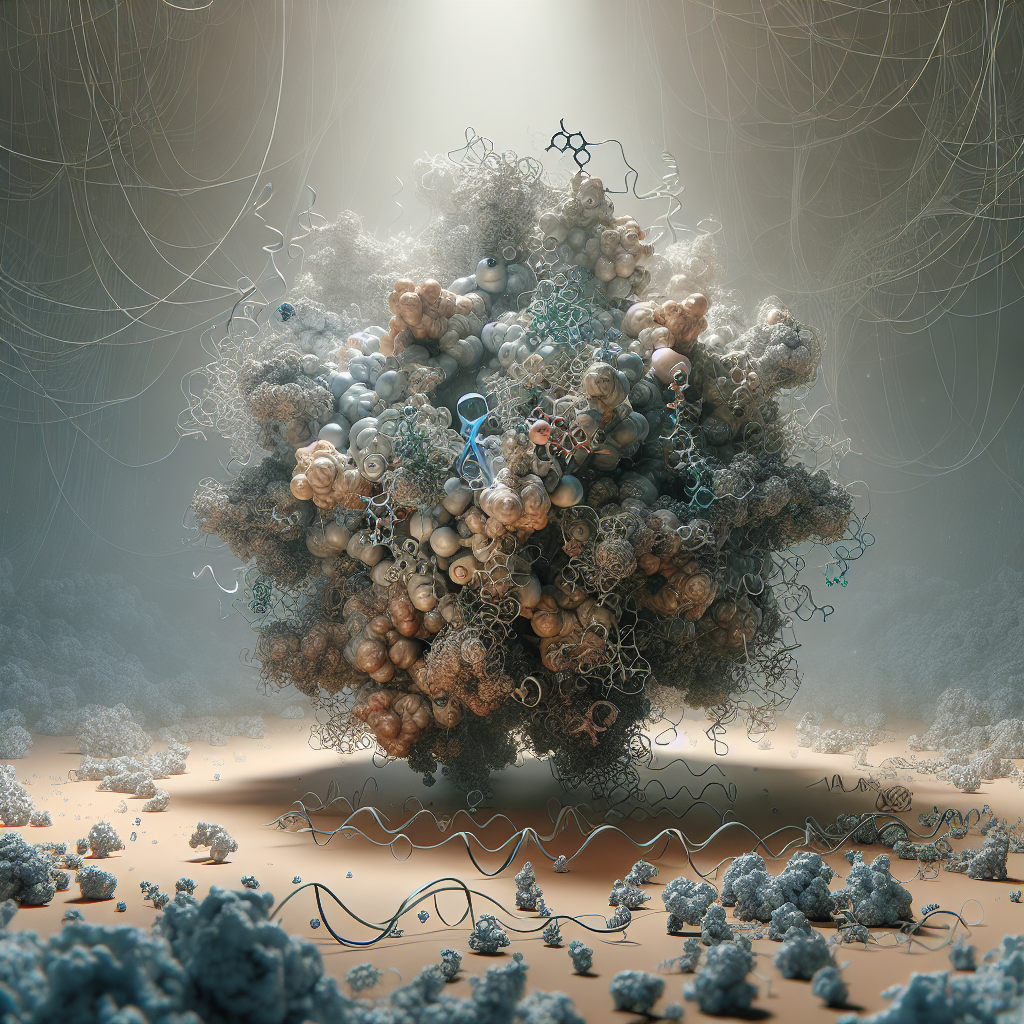
TDP43, or TAR DNA-binding protein 43, plays critical roles in regulating various cellular functions, including gene transcription and mRNA splicing. When functioning correctly, TDP43 aids the normal cellular processes. However, abnormalities in this protein induced by various factors can lead to a misfolded protein variant, hence giving rise to what we term as tdp43 aggregates.
These aggregates contribute to neurodegenerative disorders when they aren’t efficiently cleared from the system. Thus, beginning the process of protein clearance failure.
Relationship between TDP43 Aggregates and Protein Clearance Failure
Numerous studies have shown that tdp43 aggregates are implicated in various neurodegenerative diseases, the most notable one being ALS. According to a research study published in the journal Nature, these aggregates prevent the cell’s normal functioning and lead to the neurodegeneration-associated symptoms seen in patients (Nature).
Protein clearance failure forms the crux of this issue. Cellular systems are usually equipped with proteostasis networks, which essentially function as the cell’s waste disposal system. These networks identify and remove misfolded or aggregated proteins to maintain a healthy cellular environment. However, in many neurodegenerative conditions, this protein clearance system fails, causing an accumulation of toxic tdp43 aggregates.
Strategies for Combating Protein Clearance Failure
Understanding the vital role of tdp43 aggregates and protein clearance failure in disease progression has provoked scientists worldwide to develop strategies for combating this issue. Therapeutic interventions are primarily targeted at enhancing protein clearance or minimizing the aggregation of TDP43 itself.
One promising avenue involves the use of autophagy inducers. Autophagy, a natural process of self-degradation in cells, can be ‘dialed up’ using specific drugs. Other therapeutic investigations focus on reducing the production of TDP43 or preventing its misfolding. For example, molecular chaperones—proteins that assist the conformational folding or unfolding and the assembly or disassembly of other macromolecular structures—can be exploited for their abilities to prevent misfolding (EMBO Journal).
Though research into these areas has delivered promising results, much work remains to fully understand and solve the mystery of tdp43 aggregates and protein clearance failure. However, what is clear is that exploring these routes has immense potential in developing effective treatments for ALS and other neurodegenerative disorders.
Unraveling Further Mysteries
This field represents an exciting frontier of scientific investigation. Understanding the systems within our bodies, their multifaceted operations, and how they can be manipulated for therapeutic benefit, is one of the unseen frontiers of modern biology. Continued research into tdp43 aggregates and protein clearance failure promises not only better insight into these diseases, but also enhanced clinical outcomes for those suffering from them.
By reaching out and offering your support, you can play a crucial part in the fight against these debilitating diseases. Visit the lasvegasalsrealwater.com website’s /contact page [Link] and share your story with our community. You can explore more related content and keep up with the latest findings on this topic by visiting the lasvegasalsrealwater.com website’s /blog page [Link]. For immediate assistance or further concerns, we are available at your service on 702-385-6000 [Link].
References
• “TDP43 in the pathogenesis of diseases,” Nature [Link]
• “Protein Aggregation and Neurodegenerative Disease,” EMBO Journal [Link]