Remote monitoring ALS has revolutionized the way we manage this widespread neurodegenerative disease. By leveraging the power of digital biomarkers and effortless wearable sensors, we can now keep track of the disease’s progress in real-time, provide quicker medical intervention, and improve the overall quality of patient care.
Understanding Remote Monitoring ALS
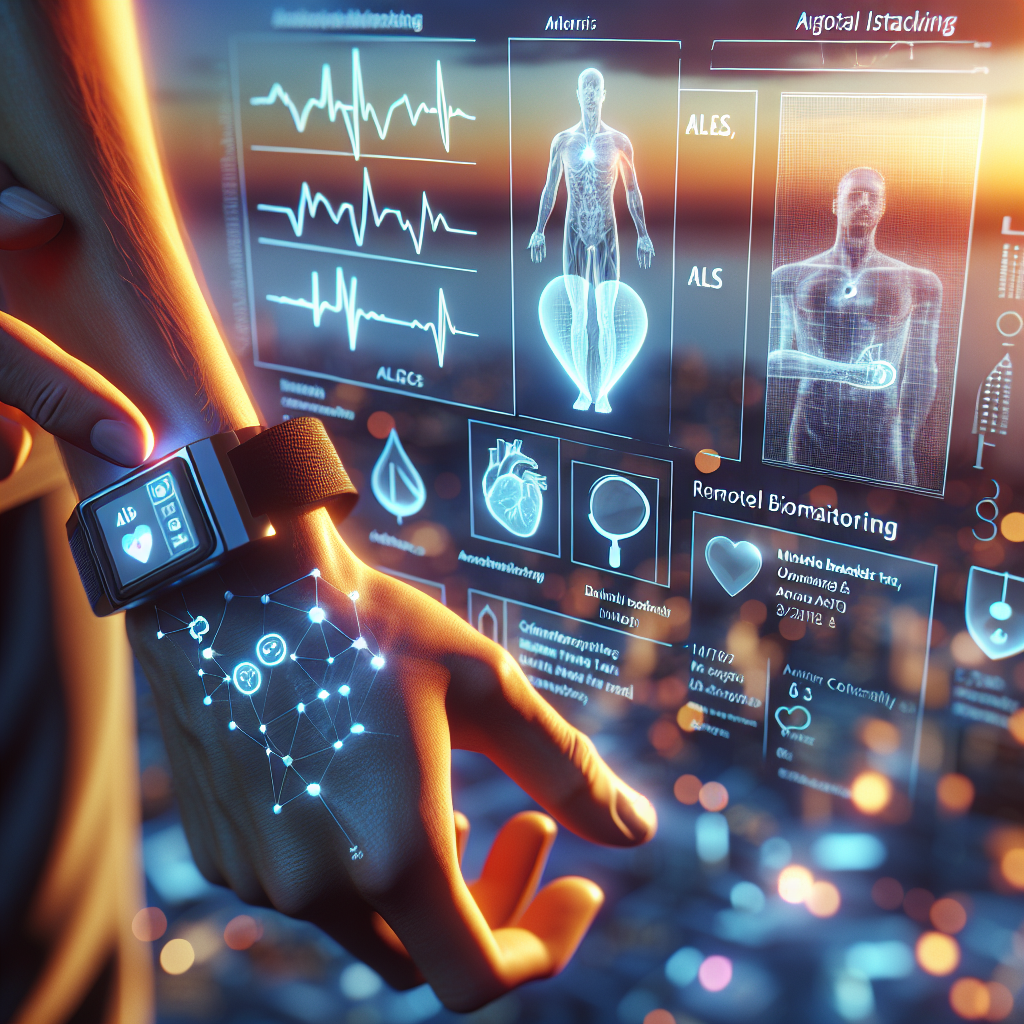
Amyotrophic Lateral Sclerosis (ALS), also known as Lou Gehrig’s disease, is a formidable neurological disorder affecting nerve cells in the brain and spinal cord. As the disease progresses, it leads to a loss of muscle control, making simple daily tasks a challenge.
In today’s technological era, however, remote monitoring has become a game changer. The advent of wearable sensors intended for remote monitoring ALS offers a world of possibilities for patients, caregivers, and healthcare professionals. These devices, equipped with advanced technologies, continuously track and record real-time data on the patient’s physical condition, offering a valuable insight into the disease’s evolution.
Significance of Digital Biomarkers in Remote Monitoring ALS
Digital biomarkers are emerging as a significant factor in ALS remote monitoring. They are objective, quantifiable physiological, behavioral data that are collected and measured by digital devices. These digital footprints play a critical role in ALS diagnostics and management, offering crucial medical information including a patient’s motor function, body temperature, heart rate, and sleep patterns.
Collecting continuous, real-time data about a patient’s health status translates to a more accurate understanding of a patient’s condition. Digital biomarkers offer an early window into the symptoms and progression of ALS, enabling medical practitioners to adapt the therapy accordingly.
Unveiling Digital Biomarkers with our Effortless Wearable Sensors
The emergence of effortless wearable sensors has simplified the process of tracking digital biomarkers. These innovative devices, designed for comfort and practicality, efficiently monitor the health parameters of ALS patients, providing valuable insights that inform treatment decisions.
Wearable sensors for ALS monitoring come in multiple forms such as watches, wristbands, and patches. They measure a host of physiological parameters including heart rate, sleep, physical activity levels, and respiratory functions. By virtually transmitting the collected data to healthcare professionals, these wearable sensors provide a comprehensive view of the patient’s health status, highlighting any concerning patterns or changes that may necessitate immediate intervention.
An Unprecedented Revolution in ALS Care
Remote monitoring of ALS via wearable sensors and digital biomarkers is undoubtedly transforming how we approach this disease. By allowing medical practitioners to access patients’ health data in real-time, remote monitoring is promoting tailored treatment plans and proactive care. Moreover, it empowers patients, giving them a sense of control over their health while ensuring they receive timely and appropriate medical attention.
Remember, while technology has made incredible strides in the ALS care landscape, it never supplants the crucial role of reliable healthcare providers who interpret and make key decisions based on the collected data.
As we advance in this digital age, it is exciting to imagine how further innovations will continue to enhance ALS care, bringing hope to those affected by this challenging disease.
REFERENCES
1. Wearable Devices to Monitor ALS Progression
2. Digital Biomarkers in ALS Research
Embark on this tech-enhanced journey with us and manage ALS in a way never possible before. For more inquiries about our Remote Monitoring ALS approach using digital biomarkers and wearable sensors, reach out to us through our contact page.
We encourage you to explore more related content on our blog to deepen your understanding of this progressive and innovative approach in managing ALS.
If you or someone you care for is battling ALS and need immediate assistance, please dial 702-385-6000. Our dedicated team is always here to assist, offering professional guidance and an understanding ear.