Cyanotoxins and neurodegeneration are two threatening terms that have recently surged into the public discourse, particularly in relation to the alarmingly high risks of Amyotrophic Lateral Sclerosis (ALS) associated with drinking untreated and improperly treated water. In this article, we will delve into the realms of water safety, discussing the harmful side effects of cyanotoxins, the link between these toxic substances and neurodegeneration, and ultimately the potential risk towards ALS associated with consuming untreated water, commonly known as ‘Raw Water’.
Unravelling the Cyanotoxins Menace
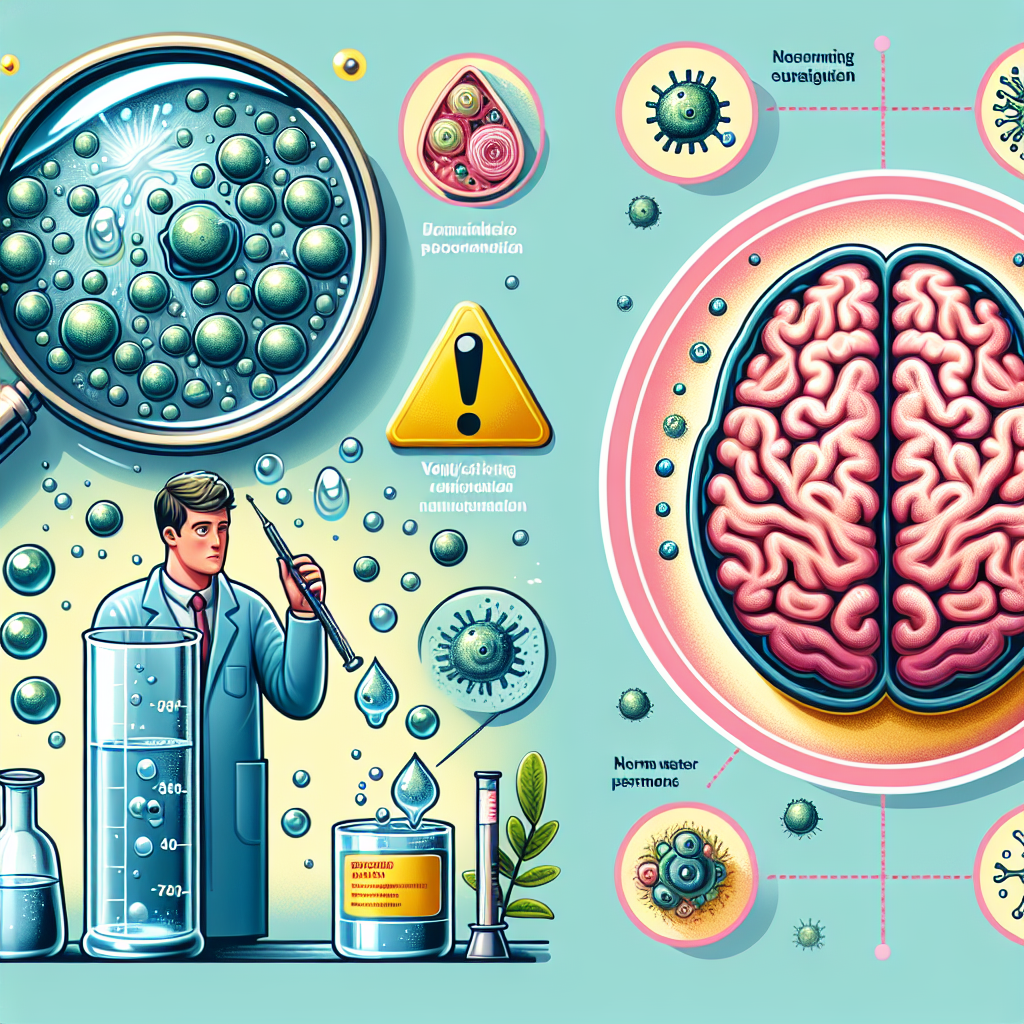
Cyanotoxins are toxic substances produced by cyanobacteria or blue-green algae. These microscopic organisms thrive predominantly in warm, nutrient-rich waters. Cyanotoxins pose a considerable health threat to wildlife, livestock, and humans. Humans may ingest them either by consuming contaminated water or seafood or through skin contact, causing a range of health problems, including neurotoxic disorders.
Cyanotoxins negatively impact human health by causing damage to the liver or nervous system. Different cyanotoxins may cause different health effects. For instance, Microcystins primarily affect the liver while Anatoxins and BMAA (β-N-methylamino-L-alanine) are neurotoxins – meaning they harm the brain and nervous system. BMAA, in particular, has sparked interest in recent years due to its alleged connection to neurodegenerative diseases, including ALS.
Cyanotoxins and Neurodegeneration: The Evidential Link
Neurodegeneration involves the progressive loss of neuron structure and function, leading to neurodegenerative diseases like Parkinson’s, Alzheimer’s, and ALS. While older age, genetic predisposition, and environmental factors have been known to contribute, the role of cyanotoxins has started creating ripples in the field of neurology.
Compelling evidence links cyanotoxins, particularly BMAA, with neurodegeneration. In Guam, for example, the Chamorro people showed disproportionately high rates of ALS, Parkinsonism, and dementia. Some researchers concluded that their diet, particularly the consumption of cycad seeds carrying BMAA, could be the culprit.
Lab experiments also solidify these observational studies. Rats exposed to BMAA show neurodegenerative changes reminiscent of ALS, Parkinson’s, and Alzheimer’s. The toxins tend to accumulate and bind to proteins within brain tissues, misleading neurons and causing them to malfunction.
Raw Water’s Alarming ALS Risk
‘Raw Water’ refers to untreated, unfiltered natural water sourced from rivers, lakes, or springs. Despite its increasing popularity among consumers seeking a ‘natural’ alternative to tap or bottled water, it brings significant health risks, including exposure to microbiological and chemical contaminants. Cyanotoxins, especially BMAA, pose particular concern.
BMAA exposure is heightened with the consumption of raw algal-bloom-infected water, thereby accentuating the ALS risk. Notably, clusters of ALS have been identified among populations living near lakes or consuming seafood from cyanobacteria-laden waters.
However, the exact risk of ALS from raw water consumption remains a topic of debate. While the evidence hints at a connection, further epidemiological and experimental studies are needed to determine the extent of the risk conclusively. This research gap should not, however, dull the urgency of addressing the cyanotoxin-related threat or diminish the importance of water safety.
To mitigate the risk of cyanotoxin exposure and the potential ALS threat, it is critical to ensure the water we consume is purified and safe, whether sourced from the tap, bottled, or natural surroundings. Treating water effectively, monitoring algal blooms, and abstaining from murky, scum-covered water bodies can go a long way in preventing cyanotoxin exposure.
To conclude, while the nuances of cyanotoxins and neurodegeneration may seem daunting, informed choices and vigilance can ensure water safety and protect our neurological health. Should you or loved ones experience symptoms of ALS or have concerns related to unsafe water consumption, don’t hesitate to reach out for assistance.
Dive deeper into this and other related topics by exploring our other blog posts. For immediate assistance or further queries about ALS and raw water risks, give us a call at 702-385-6000. We’re here to help navigate these complex issues and guide you towards safer health practices.