Button hook ALS makes routine tasks more manageable. Amyotrophic Lateral Sclerosis (ALS) is a severe disorder that affects individuals’ quality of life by causing a loss of muscle control and strength. It can create difficulties for patients in performing everyday tasks independently, including buttoning clothes, cutting food, or using utensils. Thankfully, various tools and aids have been designed to empower these patients, including the popular button hook for ALS, the rocker knife, and built up utensils.
Understanding ALS and Its Impact
ALS is a progressive neurodegenerative disease attacking cells that control muscle action. This condition can damage an individual’s ability to move, speak, swallow, and ultimately breathe¹. Characteristically, it starts subtly with muscle weakness or cramping and gradually progresses to extensive muscle wasting.
This advancement of the disease presents numerous challenges to individuals afflicted with ALS; everyday tasks can become daunting or nearly impossible. However, innovative adaptive tools like button hooks, rocker knives, and built up utensils are designed to help regain a level of independence and self-sufficiency, enhancing the quality of life for patients dealing with ALS.
The Value of the Button Hook in ALS Care
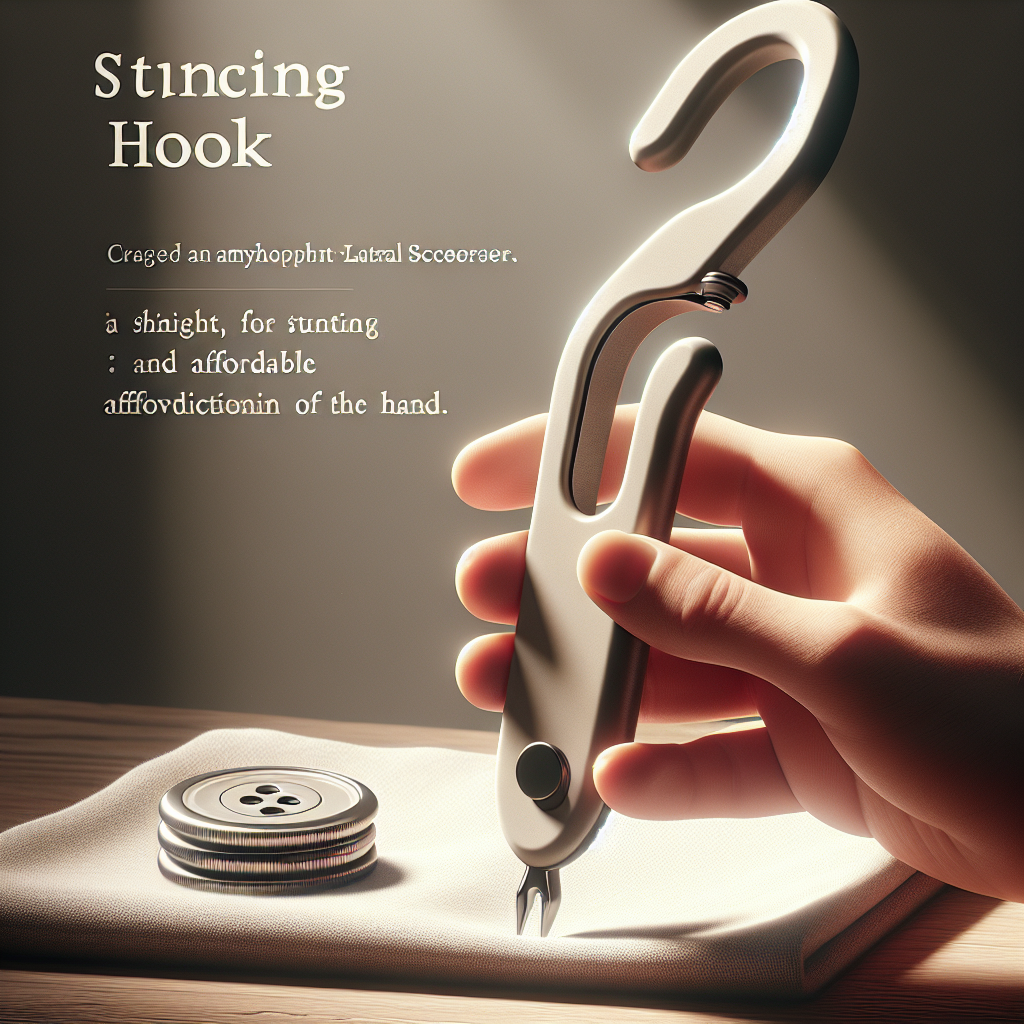
Employing a button hook in ALS can be of tremendous value. This simple, yet effective, tool enables ALS patients to button their clothing without assistance. Fumbling with buttons can become a thing of the past when using a button hook. It has a large, easy to grip handle and a wire loop at the other end, which pulls the button through the buttonhole.
The application of a button hook for ALS reinstates a sense of self-reliance, allowing patients to dress themselves more comfortably². It becomes a crucial support by making a routine task effortless and achievable.
Rocker Knife: An Efficient Tool for Meal Preparation
A rocker knife is another invaluable adaptive tool for individuals with hand function problems. With its curved blade and a large, easy to grip handle, it allows one handed cutting of food. It operates by using a simple rocking motion, unlike traditional knives which require a sawing motion.
The convenience provided by a rocker knife enables ALS patients to partake in meal preparation and eating independently³. This autonomy contributes to boosting their self-esteem and psychological wellbeing.
Built Up Utensils: Reinventing Independent Dining
Built up utensils include cutlery with thick, easy-grip handles. They reduce the strain on the hand and fingers, creating a firm grip and allowing easier control. Such utensils enable ALS patients to accomplish more at meal times, promoting a feeling of independence and maintaining dignity.
Investing in built up utensils can streamline eating tasks for ALS patients, making them less of a struggle and more enjoyable⁴.
In conclusion, while ALS presents numerous challenges in performing routine tasks, innovative tools such as button hooks for ALS, rocker knives, and built up utensils provide a beacon of hope. They help in moderating the impact of ALS on hand function, enhancing life quality one task at a time.
Don’t let ALS take away your independence. For more information about these adaptive tools, and to get assistance with your ALS and Real Water case, reach out here. To explore related content, visit the blog on our website. For immediate assistance, call 702-385-6000 right away.
References:
1. Motor Neuron Diseases Fact Sheet – NINDS
2. Dressing Comfortably – ALS Society of Canada
3. Hardships and joys of life with ALS: A report of lived experiences – NCBI
4. Feeding tube placement in patients with advanced dysphagia – NCBI