Urban water pollution is a grave environmental concern that is garnering increased attention worldwide. The detrimental effects of contaminated urban water reach far beyond just environmental degradation, they can have severe impacts on human health as well. Our focus today is to peer into the alarming connection between urban water pollution and the escalating Amyotrophic Lateral Sclerosis (ALS) rates, as well as concerning non-viral hepatitis symptoms increasingly reported in our urban populace.
Understanding the Peril of Urban Water Pollution
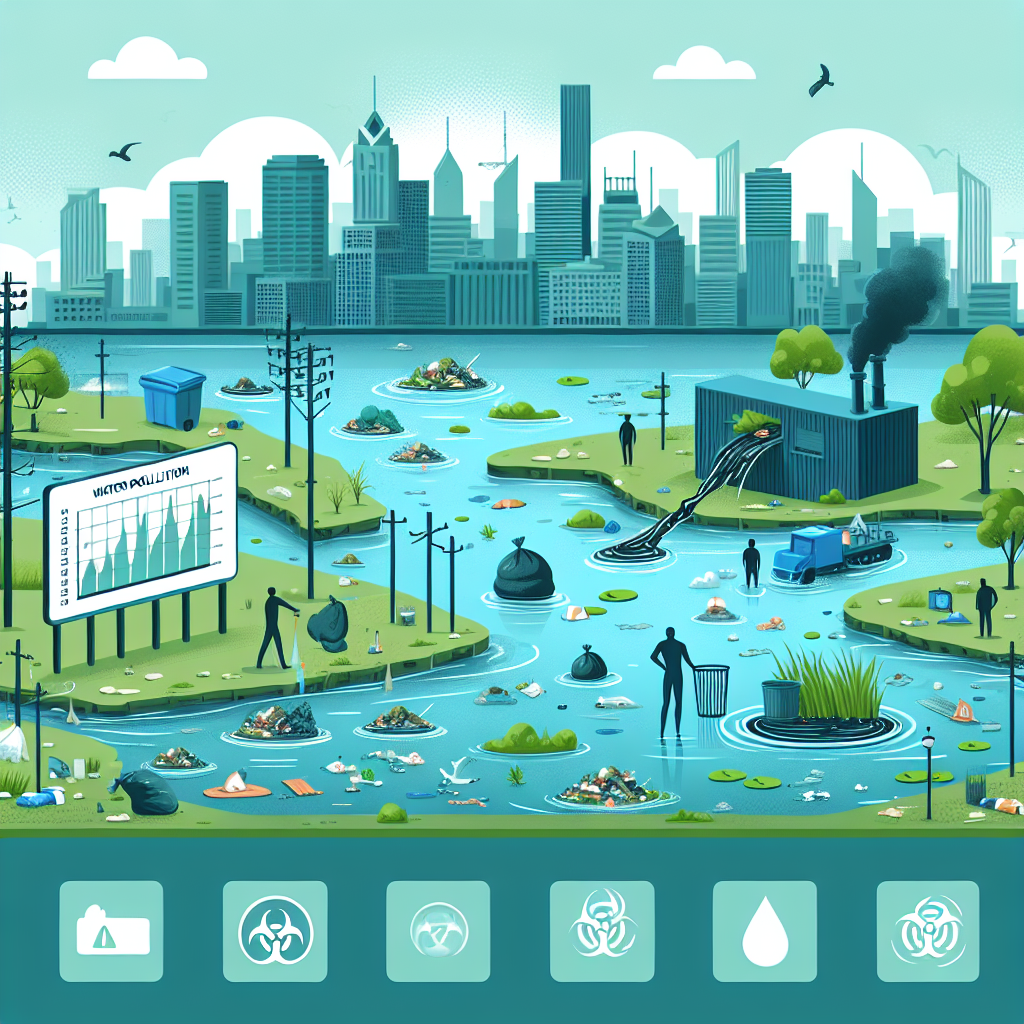
The term urban water pollution refers to the degradation of city and town water bodies due to the disposal of waste materials. It includes the pollution of rivers, lakes, groundwater, and other water resources in urban areas. This pollution typically originates from factories, farm runoff, leakage from waste disposal sites, and domestic waste disposal.
These pollutants include harmful chemicals like heavy metals, organic pollutants, and biological materials. They can negatively affect the water quality and, in turn, pose significant health risks to the urban population exposed to them.
Urban Water Pollution Linked to Elevated ALS Rates
Amyotrophic Lateral Sclerosis (ALS), commonly known as Lou Gehrig’s disease, is a devastating neurological condition characterized by the degeneration of motor neurons. The disease leads to severe physical disability and many times results in death within a few years of diagnosis.
One of the perplexing developments in recent times is the rise in ALS rates among the urban populace. A significant body of research suggests a strong association between the upsurging ALS incidences and urban water pollution.
The crux of the issue lies in the harmful contaminants present in polluted urban water. Various studies have shown that toxic metals, especially lead and mercury, increase the risk of ALS. Furthermore, chronic exposure to other environmental pollutants such as pesticides and radiation has also been linked to the disease.
Alarming Non-Viral Hepatitis Symptoms Tied to Urban Water Pollution
Moving our focus to another part of the body affected by urban water pollution— the liver. Non-viral Hepatitis is one such liver disease that can be caused by ingestion or exposure to polluted water. Symptoms includes jaundice, abdominal pain, swelling, and fatigue.
According to CDC, Nevada witnessed a series of non-viral hepatitis cases linked with consumption of Real Water, a brand of alkaline water, suggesting the presence of a pollutant. This illustrates how the quality of water we consume can directly impact our health and well-being.
Addressing the Concerns
Given the alarming connection between urban water pollution and these health issues, it is crucial to take prompt and comprehensive action. Improving wastewater treatment, enforcing stricter pollution regulations, and raising public awareness about the importance of clean water are just a few steps in the right direction. Regular water quality assessments, stricter product quality checks, and surveillance on the market need to be ramped up to curb the hazards of water pollution.
Our citizens deserve clean, safe water. And they also deserve full transparency and ongoing vigilance from those responsible for maintaining water quality. Water pollution is not just an urban issue, it’s a human one. And together, we can and must find solutions.
Let’s keep this conversation going. If you or a loved-one are experiencing ALS symptoms or are dealing with a non-viral hepatitis case possibly tied to urban water pollution, don’t hesitate to reach out for advice and support. Visit our contact page at “/contact” for direct assistance or call on “702-385-6000”.
Continue exploring this topic and many others on our blog page located at “/blog”. Our goal is to keep you informed, engaged, and prepared to tackle these issues head on. Remember, knowledge is power, and together, we can combat urban water pollution and ensure a healthier future for all.