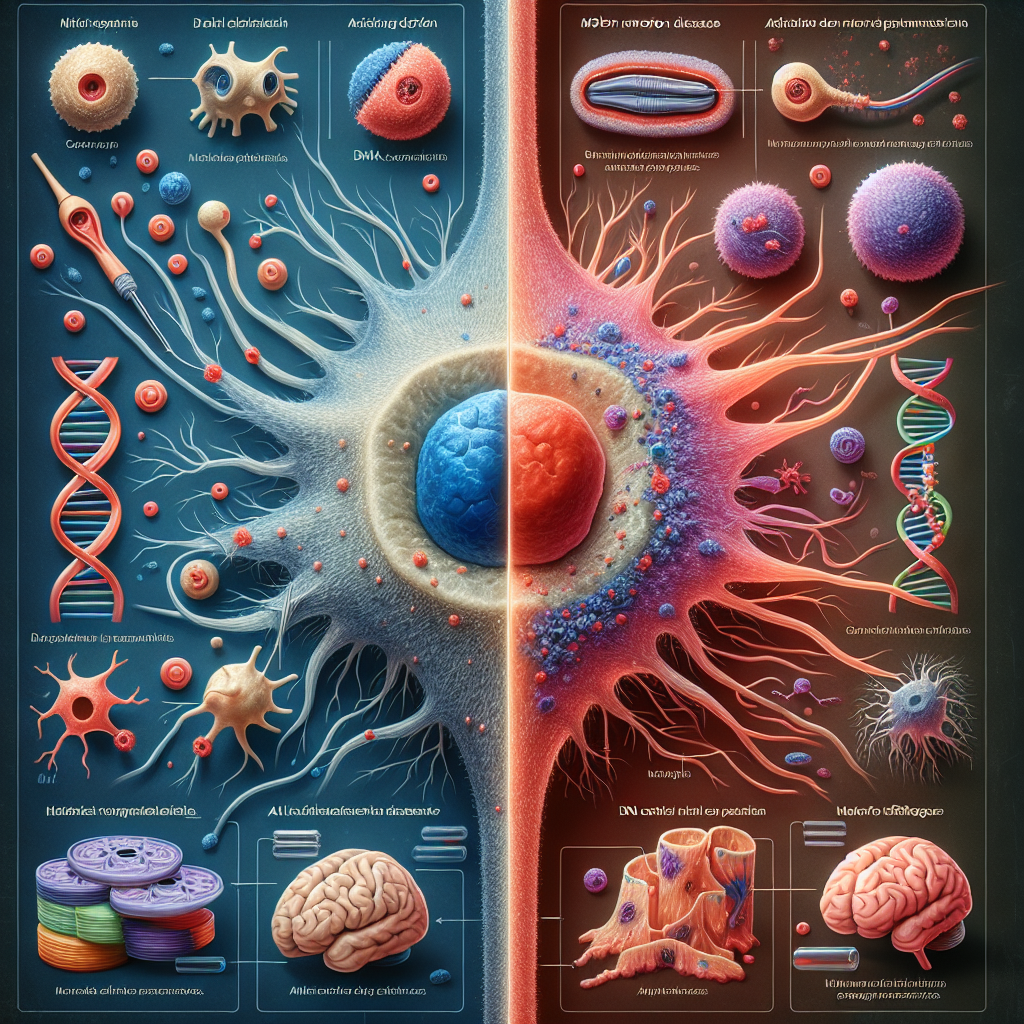
ALS Factors: An In-Depth Examination
Investigating the differences between ALS and other motor neuron diseases is a complex task, one that invites us to consider various contributing factors. Among these, you will find community water systems and other environmental ALS factors playing a crucial role. By dissecting, examining, and comparing them, we can get a clearer picture of these challenging diseases and how they affect the human body.
Community water systems and ALS factors
Some researchers are investigating community water systems as potential contributing factors to the development of ALS, also known as Lou Gehrig’s disease. Community water systems deliver water to our homes and other buildings in our cities and towns. The quality and composition of this water can vary significantly from place to place, which has led some to theorize a connection between water quality and ALS.
For instance, studies have shown a potential link between ALS and exposure to certain toxins like lead and pesticides, which can sometimes be found in community water systems. While the exact nature of this relationship is still a topic of ongoing research, it’s crucial to recognize and understand these potential environmental ALS factors.
In contrast, other motor neuron diseases, such as progressive muscular atrophy and primary lateral sclerosis, haven’t shown similar links to community water systems. These diseases seem to develop more independently of environmental factors, emphasizing the complexity and diversity of motor neuron conditions.
The Differential Element: Exploring the ALS Factors
When it comes to uncovering the stunning differences between ALS and other motor neuron diseases, the primary disparities lie in their causes and effects. ALS factors typically involve a mix of genetic and environmental aspects. For example, certain gene mutations have been identified in families with a history of ALS, suggesting a hereditary component to the disease. However, more often than not, ALS occurs sporadically in individuals with no family history. This sporadic emergence of ALS is where environmental aspects, including the role of community water systems, come into play.
On the other hand, other motor neuron diseases don’t have these same complex interaction of genetic and environmental factors. Diseases such as spinal muscular atrophy have a clear genetic basis and are typically diagnosed earlier in life, while others like primary lateral sclerosis are less understood and diagnosed more on the basis of symptom presentation.
Symptom presentation is another area of difference. While all motor neuron diseases involve the degeneration of nerve cells that control voluntary muscle movement, their symptom presentations can vary significantly. For example, spasticity and muscle stiffness are more symptomatic in primary lateral sclerosis, while progressive muscle weakness and atrophy are the main symptoms in ALS and spinal muscular atrophy.
Walking the Informed Path
Unveiling these differences with other motor neuron diseases helps us understand ALS beyond the surface. Just like the ripples in a body of water, changes in one area can impact others. The investigation of environmental factors such as community water systems provides a valuable clue in understanding ALS and offers hope for potential prevention strategies.
However, it’s important to note that these research insights are relatively new and still developing. It’s important for individuals at risk of developing ALS or other motor neuron diseases to consult with a medical professional to understand their unique risks and plan for potential interventions.
The road to discovery may be long and full of unknowns, but the research into ALS factors and other motor neuron diseases forges its way onward. As we accumulate knowledge, grow aware, and are committed to understanding, we participate in a journey to bring hope to those affected by these conditions.
If you or a loved one are dealing with ALS and its impact, remember you’re not alone. Reach out to us in your ALS and Real Water case; we’re here to help. Visit us at our “/contact” page. If you’re interested in reading more of our informative articles, visit our blog at “/blog”. If you’d rather talk to us directly, feel free to call us at 702-385-6000.