ALS memories preservation is a term that will become familiar to many as they embark on the journey of caring for a loved one with Amyotrophic Lateral Sclerosis (ALS). This disease can be aggressive and often leaves families feeling overwhelmed and unsure of how best to make the most of the time they have left together. One of the ways families overcome this is by preserving cherished memories, a step that can greatly assist in the mourning process and provide a source of comfort in years to come. Family archives can turn into a legacy, a tangible way of immortalizing the memory of a loved one.
Understanding ALS Memories Preservation
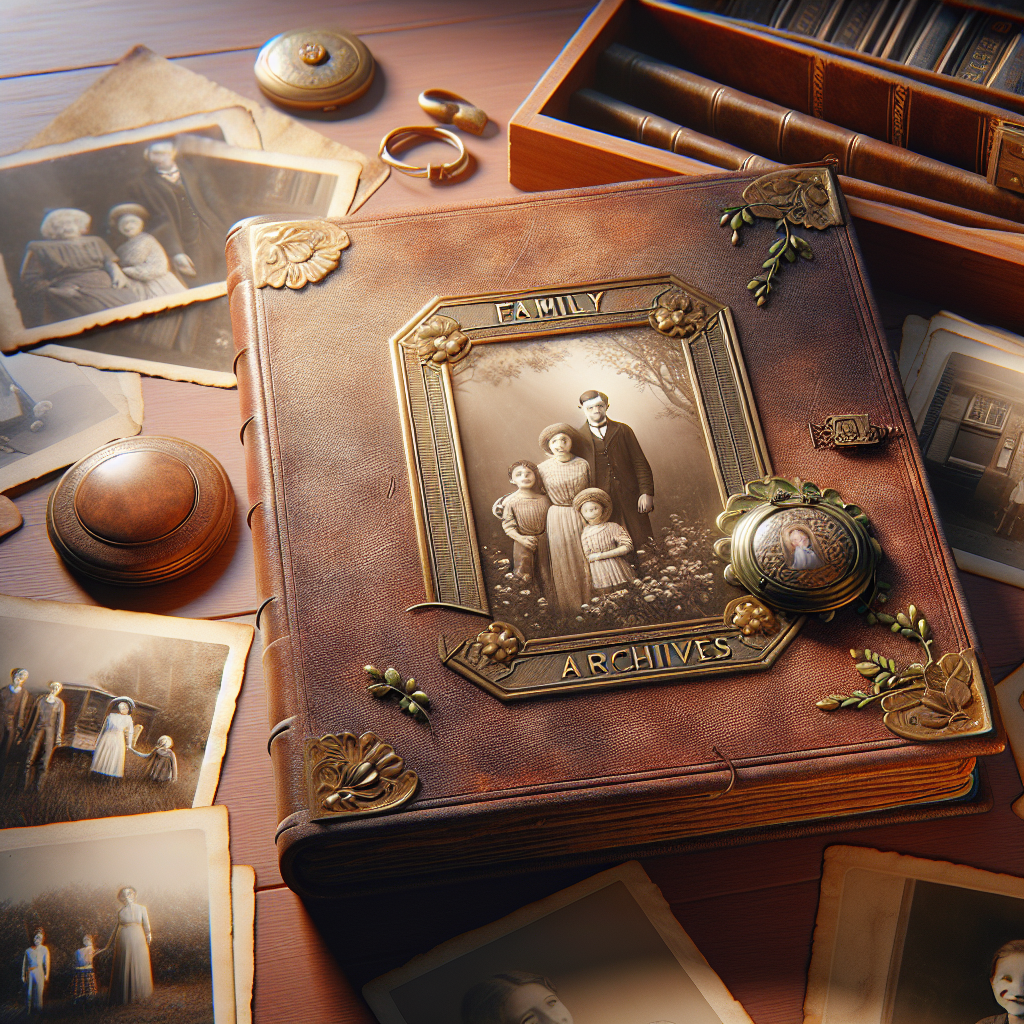
ALS, also known as Lou Gehrig’s disease, is a progressive neurodegenerative disease that affects nerve cells in the brain and the spinal cord. This condition often results in the loss of physical abilities over time, dramatically altering the lives of those living with the disease and their families. ALS memories preservation is an evolving concept that focuses on storing and preserving the experiences, moments, and stories of people battling this disease before they are lost (source: ALS Association1).
Essentially, ALS memories preservation involves gathering materials such as photographs, letters, home videos, and any other cherished items that hold significant memories for the person with ALS and their family. As the disease progresses, the ability to use these materials as prompts for storytelling and reminiscing can become an essential part of the emotional support provided to the person with ALS. This not only provides a platform to express emotions but facilitates connection and understanding between family members.
Building Your Family Archives
Begin building your family archives by collecting all memory materials that you can find. Devote a space in your home where you can store these items safely. Items such as photographs and handwritten letters are often highly prized components of any family archive. Do not limit yourself to conventional items. Anything with emotional or narrative value – be it an old concert ticket or a favorite book – can contribute to the richness of your family archive.
Family archives offer additional insights into our loved ones’ lives, creating a bridge between generations. They are also teaching resources for younger family members, offering them a glimpse into the past of their parents, grandparents, or even great-grandparents. If you have older family members, engage them in this process. They could provide not just memories associated with the photographs or objects, but also historical background and context.
Digitizing family archives is another practice adopted by those preserving memories. Digital copies serve to protect material from physical damage, while also making it readily available for sharing with extended family and friends, or posting online for a wider audience. A range of smartphones today offer high-quality camera features sufficient for this task, with online tutorials available for guidance (source: National Archives2).
People, Emotions, and Stories: The Heart of Family Archives
When embarking on ALS memories preservation, remember the people, emotions, and stories attached to every item are the heart of family archives. As beautiful and haunting as photographs may be, the stories behind them often hold the real treasure. Encourage your loved one with ALS to share these stories when possible. Try recording these conversations, as they add another layer of depth to your archives and provide an audio memory of your loved one’s voice.
Preserving Memories, Navigating Emotions
Creating a family archive while a loved one is battling ALS may not be easy. It requires a balance between the urgency to preserve memories and the emotional challenges that come with facing the fragility of life. It’s okay to ask for help from friends and family, or to break down the work into manageable parts. Ultimately, the focus should not just be on the final product, but also on the process of curating these archives and cherishing the memories you uncover each day.
Creating a family archive is an incredible way to honor the journey of a loved one with ALS. It’s a testament to their life and the love and memories shared, ensuring their spirit continues to influence and resonate within the world they leave behind.
As you navigate the multifaceted challenges of dealing with ALS, preserving your memories, building and maintaining a family archive can offer emotional and psychological relief, further strengthening familial bonds throughout this journey.
For more insights and support regarding your ALS and Real Water case, do not hesitate to reach out. Visit our contact page on our site, browse more informative blogs related to ALS on our blog page, or call us directly at 702-385-6000. We’re here to help.
[1] ALS Association. (n.d.). What is ALS? Retrieved from https://www.alsa.org/about-als/what-is-als.html.
[2] National Archives. (n.d.). How to Start Your Family Archives. Retrieved from https://www.archives.gov/preservation/family-archives/start.