ALS Kids Explanation: A Roadmap for Understanding and Inspiration
Among the multitude of complex questions that riddle a youngster’s mind, understanding diseases like Amyotrophic Lateral Sclerosis (ALS) can be quite perplexing. This ailment, often dropped without explanation in news broadcasts or hushed adult conversations, may leave children feeling confused and fearful. The aim of this informative guide entitled “ALS Kids Explanation” is to shed some light on the subject matter in an accessible, friendly manner. We will attempt to explain what ALS is in terms that children can understand, with the intent to alleviate fears and cultivate empathy among school friends.
A Primer on ALS
At the most fundamental level, ALS is a disease impacting the nerve cells, specifically those in the brain and spinal cord. These nerve cells, or neurons, send signals to muscles throughout the body, enabling us to move, speak, and even breathe. For people affected with ALS, these neurons gradually stop playing their roles, leading to a loss of these important functions.
School friends, here’s an easy “ALS Kid’s Explanation” – imagine if you’re trying to walk and all of a sudden, your legs just wouldn’t move, no matter how hard you try. Now, imagine it happening with your hands, even your voice. Sounds scary, doesn’t it? But, with our understanding and support, we can make a big difference in their lives.
The Impact of ALS
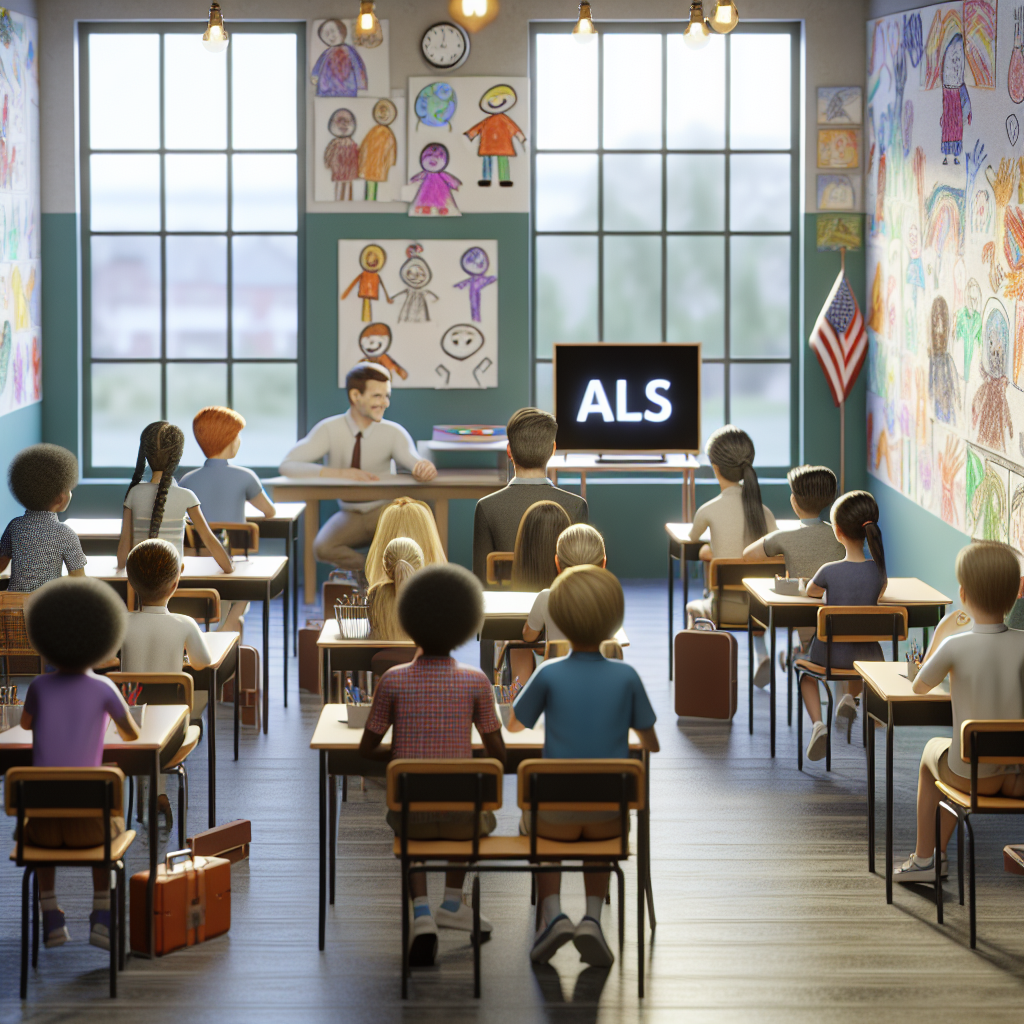
At first, a person affected with ALS may experience some subtle changes. They might fall accidentally, or have trouble handling objects or speaking clearly. It’s crucial to bear in mind that people dealing with ALS are not doing this on purpose – their muscles are just not responding as they are supposed to. As the disease progresses, it may lead to more severe problems, like difficulty swallowing and breathing.1.
Now that we have an ALS Kids explanation under our belt, let’s switch gears to comprehend how you as school friends can play a supportive role.
Ways School Friends Can Show Their Support
Displaying kindness and empathy is crucial when interacting with pals affected by ALS. Comprehending their situation can go a long way in making them feel supported and appreciated. Below are some ways school friends can show support:
1. Be Patient: Remember it might be tougher for children with ALS to do certain things, but they are trying their best.
2. Keep Inclusion in Mind: Just because someone has ALS does not mean they don’t want to be involved in activities or games. Modify activities when necessary so they can take part.
3. Help Educate Others: Share your knowledge with other school friends to help them understand the situation better.
4. Be a Friend: Friendship is the best gift one can offer. Just being there for your friend can make a significant difference.
Conclusion
To wrap up this ALS Kids Explanation guide, know that while dealing with ALS can indeed be challenging, it doesn’t mean that it’s the end of the world for the people affected. With the right kind of support from the community, particularly school friends, life with ALS can be made more comfortable and enjoyable.
References
1. The Stages and Symptoms of ALS: Mayo Clinic
This ALS Kids Explanation guide is just one resource among many. If you or someone you know is dealing with issues related to ALS and need assistance, don’t hesitate to reach out via our contact page. For more such educational and empathetic content, don’t forget to visit our blog page. If you require immediate help or assistance, feel free to call us at 702-385-6000. Let us stand together in understanding ALS and ensure that those affected are not fighting their battles alone.