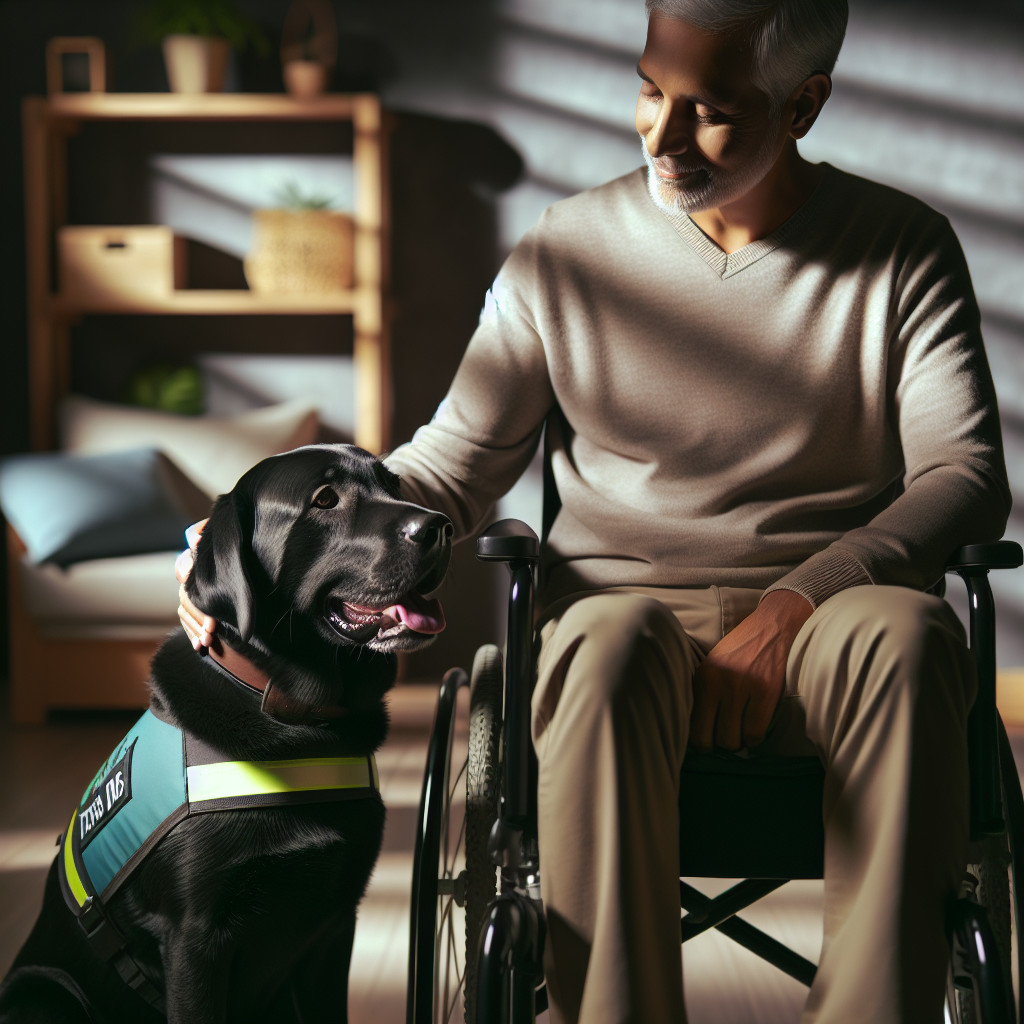
ALS Therapy Dogs: Understanding the Undeniable Impact of Animal Support
ALS, or Amyotrophic Lateral Sclerosis, is a progressive neurodegenerative disorder affecting the nerve cells in the brain and spinal cord. Presenting a significant emotional and physical challenge, those battling ALS rely on various support systems. Among the evolving resources are therapy animals, including dogs. ALS therapy dogs have quickly become an integral part of the ALS community, providing much needed companionship and boosted mental health. There’s a growing body of evidence suggesting animal support, specifically therapy dogs, have a profound impact on individuals dealing with ALS.
The Role and Impact of ALS Therapy Dogs
For those dealing with ALS, animal support comes in many forms. From emotional assistance to an undeterred companionship, therapy dogs play a myriad of roles. As an ALS patient’s physical abilities decline, the unconditional bond and emotional connection with a dog remain unaffected.
Studies show interaction with therapy dogs reduce feelings of isolation, depression, and anxiety. Their presence has a calming effect, allowing the person to focus less on their physical limitations and more on their emotional well-being. It’s also worth noting ALS therapy dogs are trained to assist with physical tasks, making them an essential support system in the home.
Uncover the Science: How Therapy Dogs Positively Impact ALS Patients
A study published in the National Institutes of Health highlighted the positive effects therapy dogs have on those living with ALS. According to the study, “There was a clear qualitative difference in the participants’ well-being when they interacted with the dogs. The dogs encouraged them to live in the present, brought increased joy and happiness, and decreased their feelings of isolation”. Interactions with therapy dogs serve as an effective antidepressant without any potential side effects.
Training Therapy Dogs: An Essential Process
Training therapy dogs is an essential process to ensure their effectiveness when working with an ALS patient. Training includes teaching the dogs tasks like retrieving fallen objects or helping navigate their ALS partner.
Choosing the Right Therapy Dog for ALS Patients
Not all dogs make great therapy dogs. Certain breeds are naturally more compassionate and intelligent, making them more suited for this work. However, it’s not just about breed, but also about individual temperament. Therapy dogs need to be calm, patient, friendly, and most importantly, trainable.
Take Action: Learn More and Extend Support
Living with ALS is unquestionably challenging. However, with the right resources and support systems, including therapy dogs, the journey can become more manageable. ALS therapy dogs are a source of unwavering support, both emotionally and physically, providing the care, companionship, and assistance necessary to those who need it most.
To understand more about ALS and how therapy dogs can dramatically improve the quality of life for patients, reach out through our contact page. For immediate assistance, you can also dial 702-385-6000.
There’s a wealth of information available on our blog. Explore more related content and immerse yourself in the world of ALS and the positive impact of therapy dogs.
References:
“ALS Fact Sheet”National Institute of Neurological Disorders and Stroke
“Companion animal bonding in individuals with severe neuromuscular diseases”National Institutes of Health