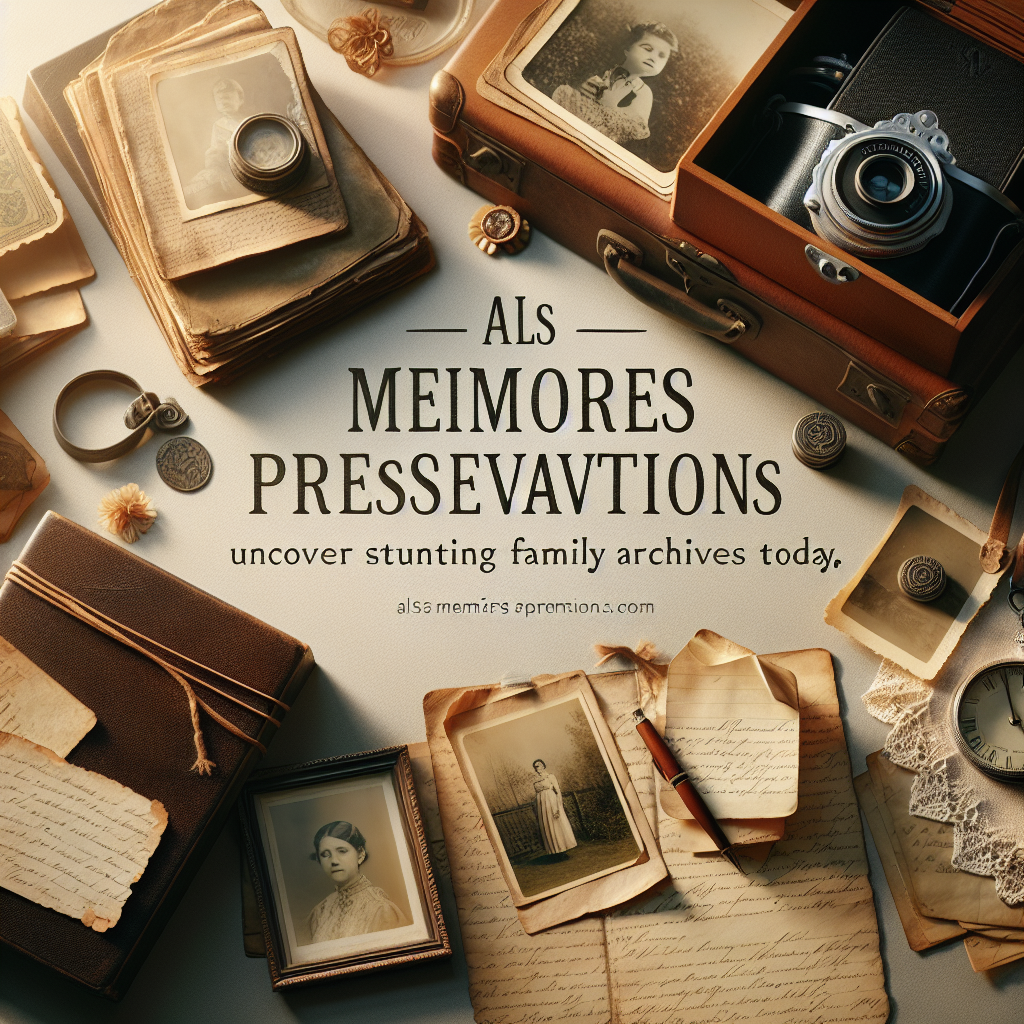
ALS Memories Preservation is a vital aspect that deserves our attention, especially in today’s fast-paced digital era. As the years roll by and we grow older, memories can blur, and key events, faces, names can be forgotten. Therefore, it becomes increasingly important to preserve memories, especially for families grappling with Amyotrophic lateral sclerosis (ALS). This article aims to unveil the importance of ALS memory preservation and how to build stunning family archives today.
What is ALS?
Amyotrophic lateral sclerosis (ALS) is a group of rare neurological diseases primarily involving the nerve cells responsible for controlling voluntary muscles. Most people with ALS lose their ability to walk, speak, swallow, and eventually breathe. Still, their minds often remain sharp, allowing them to immerse themselves in memories, past experiences, and legacy. Hence, the importance of ALS memories preservation [1].
Why is ALS Memories Preservation Crucial?
Given the nature of ALS, memory preservation can be a comforting, therapeutic exercise for those affected. It does not only offer a tangible treasury to hold onto, but it empowers individuals and their families to embed stories, experiences, and wisdom into a medium more enduring than memory. Let’s explore a few reasons why preserving memories can be so significant for those battling with ALS:
Reflections on the Past
Building a family archive allows us to recapture moments from the past. It can foster resiliency and provide a sense of perspective in the face of adversity [2].
Conservation of Legacy
ALS memories preservation lets the person leave a lasting impression or legacy, something their offspring, family, and the world can retrieve from and observe their life’s journey.
Psychological Healing
Memory archiving can bring psychological benefits, offering solace to the individual with ALS and their families. Delving into the past, revisiting happy moments, and affirming one’s life course can bring immense satisfaction and comfort [3].
How to Create Family Archives?
Establishing a comprehensive family archive for the purpose of ALS memories preservation need not be a daunting task. By following these simple steps, you can preserve those irreplaceable memories for generations to come.
1. Decide on a Format: You can opt for digital archiving, physical scrapbooking, video records, or an amalgamation of these.
2. Gather Material: Collect photos, letters, keepsakes, audio/video records, and other significant items recounting the individual’s life journey.
3. Organize: Arrange the material chronologically or thematically— whatever suits best according to the content.
4. Preserve: Have the digital images, videos, and data files backed up. For physical items, ensure they are stored in safe, cool, and dry places.
5. Share: Disseminate the created archives among family members, or keep them safe to share with future generations.
We need to prioritize memory preservation now, more than ever. While decoded innovations and advancements are making it easier, the initiative lies in our hands. ALS does not define an individual; it’s their life journey, experiences, and wisdom that illustrate who they are.
Our team at [Your Website] understands the significance of this, offering guidance, support, and resources to fulfill the pivotal mission of ALS memories preservation and creating family archives. Contact us to discuss your ALS and Real Water case. Don’t hesitate to call 702-385-6000 for immediate assistance. For more information, visit our Blog and explore related content that can help you in this journey.
References
What is ALS? – Mayo Clinic
Archiving and Adult Learning – Eduquest
* The Psychology of Keepsakes – Scientific American