ALS definition has been a hot topic in medical and popular culture circles for many years. Known formally as Amyotrophic Lateral Sclerosis (ALS) and informally as Lou Gehrig disease, this neurodegenerative condition continues to foster in-depth discussions and critical research.
Comprehensive ALS Definition
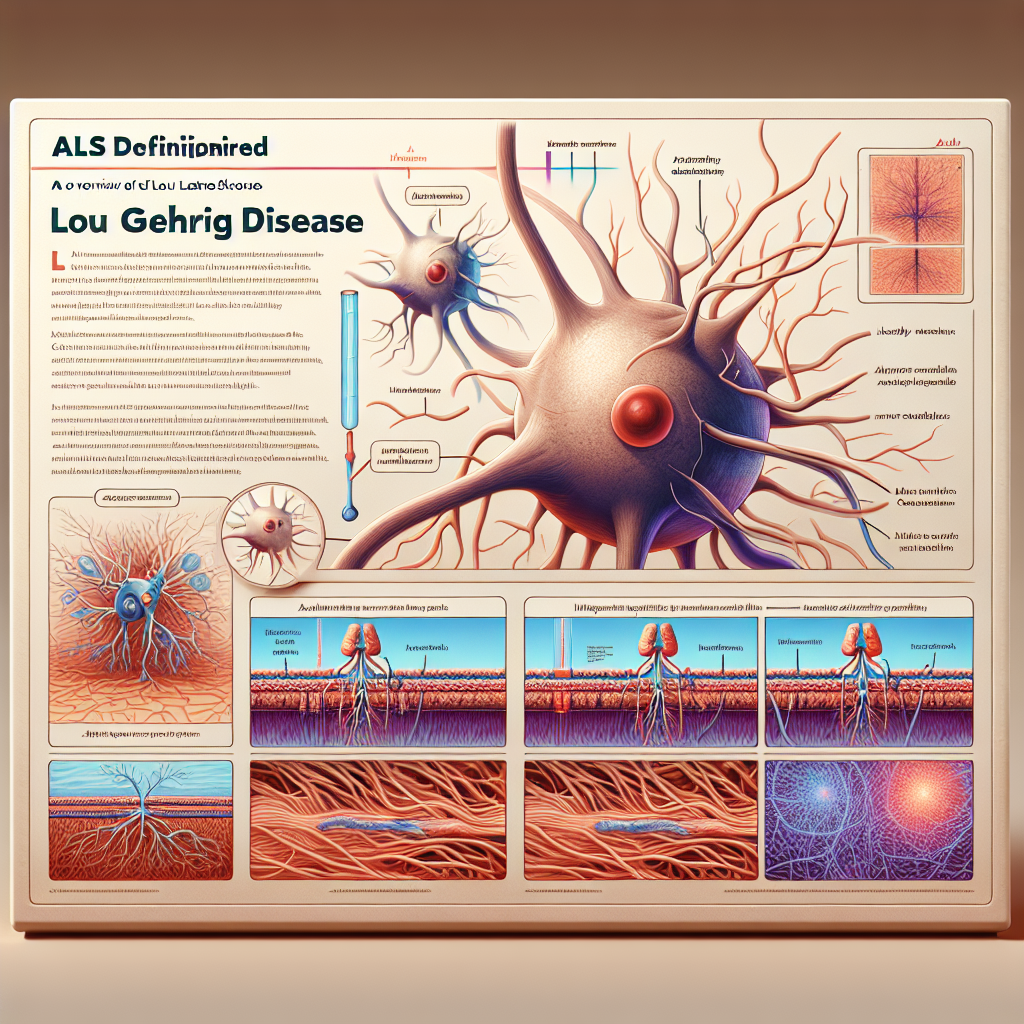
Amyotrophic Lateral Sclerosis, or ALS, is a progressive neurodegenerative disease. ALS affects nerve cells in the brain and spinal cord that are vital to muscle movement control. Gradually, these motor neurons degenerate and die, leading to the breakdown of muscle functionality [1].
Lou Gehrig Disease: An Overview
Lou Gehrig disease is another name for ALS, attributed to the famous American baseball player Lou Gehrig. Gehrig brought national and international attention to the disease in 1939, upon being diagnosed at the peak of his career [2]. ALS patients experience varied symptoms, including difficulty in speaking, swallowing, and physical movements. As presently there is no cure, research continues to focus on understanding the disease and developing potential treatments.
Initial Symptoms to Watch For
Noted below are some common signs of the onset of ALS:
Rigidity or stiffness in muscles
Muscle weakness, especially in the limbs
Impaired speech and difficulty in swallowing
The uncontrollable laughing or crying, also known as emotional lability
Doctors advise seeking immediate medical attention upon experiencing these symptoms [3].
Motor Neuron Breakdown in ALS
Motor neurons are essential for controlling voluntary movements like speaking and walking. In ALS, these neurons gradually degenerate and eventually die. This breakdown prevents motor neurons from sending impulses to muscle fibers that control muscle movements. Over time, as the number of motor neurons depletes, the muscles progressively weaken [4].
Two types of motor neurons are affected in ALS:
Upper motor neurons: They are located in the brain and send messages to the lower motor neurons in the spinal cord.
Lower motor neurons: They are situated in the spinal cord and carry messages from upper motor neurons to the muscles.
The progressive death of these motor neurons results in the debilitating symptoms of ALS, eventually leading to total paralysis and fatalities [5].
ALS Research and Potential Cure
With no known cure, researchers are working diligently to devise viable treatment options. Current FDA-approved drugs only work to slow the progression of the disease and alleviate symptoms [6]. However, with robust scientific research, there is optimism for breakthroughs in the future.
Engage and Educate Yourself Further
The struggle against ALS continues. Whether you have been diagnosed with ALS, know someone who has, or are merely interested in learning more about the disease, we have resources to help. Not only should you seek immediate help upon noticing potential symptoms, but you must also stay informed about developments on ALS research. Visit our website’s contact page to reach out about your ALS case or inquire about more information. You can also explore more related content on our website’s blog page, where you can access a wealth of knowledge about ALS. For immediate assistance, don’t hesitate to call us at 702-385-6000.
References
ALS Association, “What is ALS?”
ALS Therapy Development Institute, “Who was Lou Gehrig?”
National Institute of Neurological Disorders and Stroke, “ALS Fact Sheet”
Penn Medicine, “What Happens in ALS? A Closer Look at Motor Neurons“
American Family Physician, “Amyotrophic Lateral Sclerosis: Update for Family Physicians”
Food and Drug Administration, “What to Know About ALS”