Eye gaze photography opens up a whole new world of creative expression, especially for people with physical limitations. This cutting-edge technology harnesses the strategic gaze of the human eye to control a camera. It personnelizes how users interact with photography and their surroundings. It promotes inclusivity by empowering everyone – whether novice photographers or individuals with physical disabilities – to create art through the eye’s lens.
Discover Eye Gaze Photography
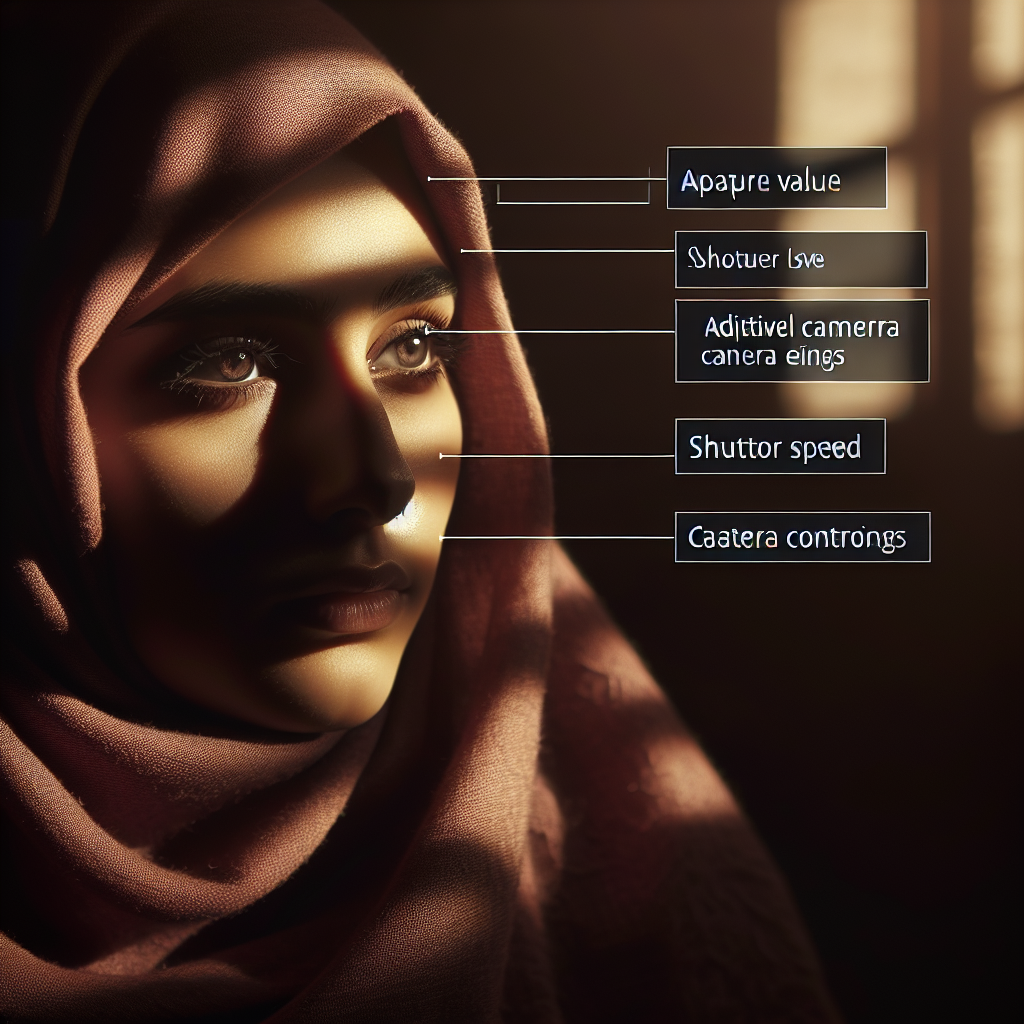
Eye gaze photography is a recent development in accessible technology. It leverages infrared technology to track a user’s eye movements and transform them into specific commands for camera controls. With just a glance, users can zoom, focus, and even trigger the camera shutter. This technology facilitates access to the otherwise intricate world of photography to those who have difficulties manipulating standard camera controls.
The science behind eye gaze technology is intricate yet straightforward. It requires a specialized camera for precise eye-tracking. This camera records pupil movement while infrared lights illuminate the eye. The technology then synthesizes this data into on-screen commands. The correlation between this technology and photography allows a magic-like experience, converting simple eye movements into profound photographic expressions.
Enhancing Creative Expression with Adaptive Camera Controls
Eye gaze photography goes beyond being an innovative solution for people with restricted physical abilities. It enhances creative expression by offering professionals, novices, and enthusiasts an alternative approach to camera manipulation. Intuitive eye movements can navigate scenic elements and subjects, offering a unique platform for capturing distinctive images.
Adaptive camera controls also subtly diversify the user’s perspective and photographic approach. This shift encourages one to view the environment differently, leading to new, imaginative compositions. Embracing this innovative technology could thus redefine how we perceive and interact with our scenarios, transforming the lens through which we view our world.
Practical Applications
Eye gaze technology has a history of empowering individuals. The potential applications of this technology in photography are impressive. It could be a creative outlet for those living with disabilities, providing access to a pastime they might have found difficult. By liberating creative expression, eye gaze photography can be a tool for therapy and self-expression.
This development also has professional applications – photojournalism, wildlife photography, and sports photography, to name a few. For these genres, stealth and control are crucial. Eye gaze photography could enable photographers to operate their cameras unobtrusively, thus capturing natural, unposed moments.
Final Thoughts
As eye gaze photography continues to evolve, so does the potential for creative expression through the lens. This technology is evidence of how we can disrupt and redefine traditional digital photography boundaries. Today, it is not merely about the technology but the creative power it imparts to its users.
To discover more about this technology and its implementations, consider reaching out for more information. Explore related content on our blog or contact us if you are interested in knowing more. For immediate assistance, you can also call at 702-385-6000.
References:
– Eye Gaze Technology in Photography: IEEE
– Technologies That Empower: Independent
– The Future of Photography: Towards Data Science