ALS differential diagnosis is an essential step in confirming the presence of Amyotrophic Lateral Sclerosis (ALS), a debilitating neurodegenerative disease. While preliminary tests may reveal ALS, further investigation is needed to distinguish it from similar conditions like Myasthenia Gravis and Cervical Spondylosis. A definitive diagnosis can help guide appropriate management strategies, ultimately improving patients’ quality of life and survival.
Understanding ALS: The Critical Importance of Differential Diagnosis
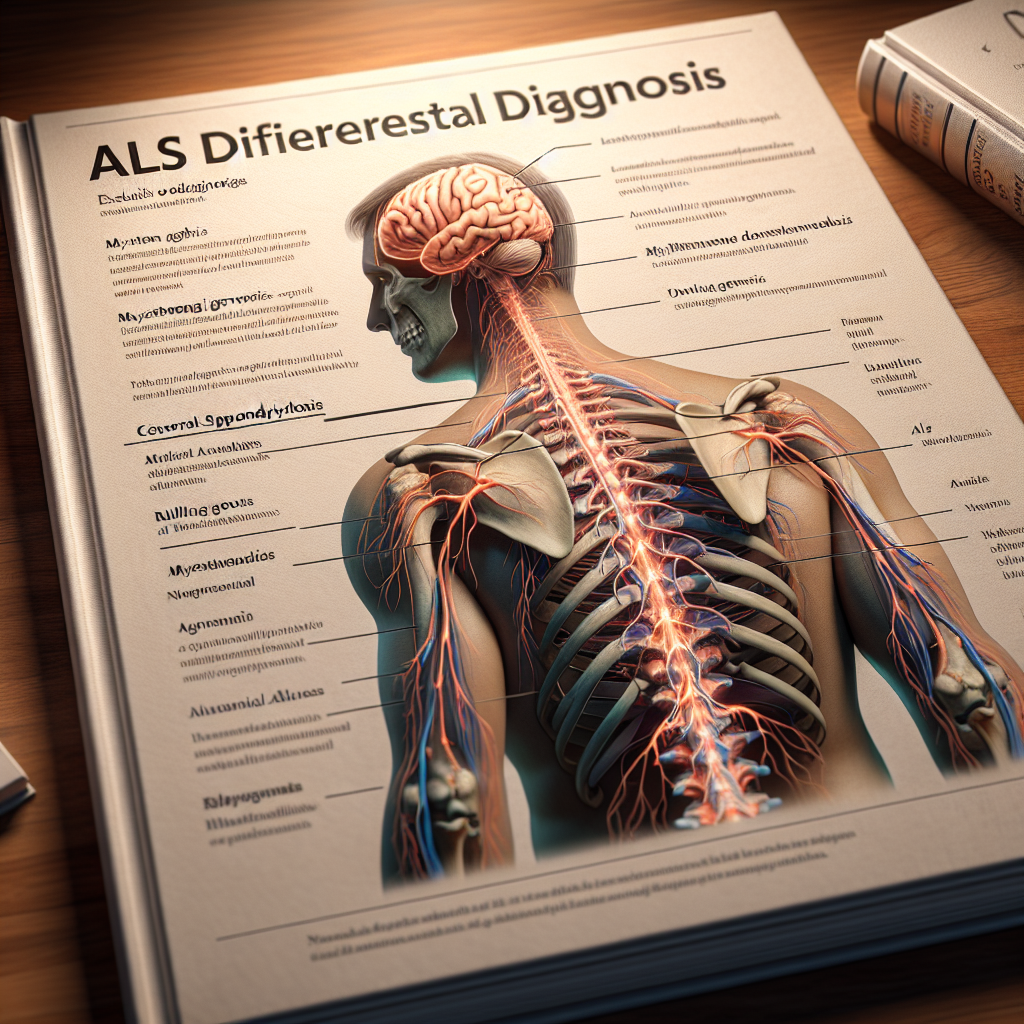
ALS is a severe and progressive condition affecting nerve cells in the brain and spinal cord. As these cells deteriorate, they induce muscle weakness, impact physical functions, and eventually lead to respiratory failure.
In diagnosing ALS, it is vital to consider other conditions presenting similar symptoms – a process known as differential diagnosis. This process involves ruling out conditions such as Myasthenia Gravis and Cervical Spondylosis which can mimic ALS.
Myasthenia Gravis Vs ALS: Learning to Differentiate
Myasthenia Gravis is an autoimmune condition causing weakness and rapid fatigue of voluntary muscles. It has similar symptoms to ALS, including muscle weakness and fatigue, which can make initial diagnosis challenging.
The distinguishing factor between these two conditions is the progression of the symptoms. In ALS, the symptoms typically progress steadily without intermittent relief. In contrast, symptoms in Myasthenia Gravis fluctuate and may improve with rest.
Diagnostic tests provide another layer of differentiation. Electromyography (EMG) can detect abnormalities in electrical activity of the muscles, indicative of ALS. Additionally, blood tests can detect the presence of certain abnormal antibodies seen in Myasthenia Gravis, which aid in its diagnosis (Mayo Clinic).
Cervical Spondylosis: Is it ALS?
Cervical Spondylosis exhibits similarities with ALS, primarily in the manifestation of muscle weakness, numbness in the extremities, and difficulty with coordination.
Despite these common symptoms, there are notable differences. Cervical Spondylosis is a common, age-related condition resulting from wear-and-tear of spinal disks in the neck. It can be revealed via imaging tests such as MRI or CT scans, which can show changes in the cervical spine, a telltale sign of Cervical Spondylosis.
ALS, however, affects the entire body and doesn’t result from aging or wear and tear alone. The condition has a more relentless progression, drastically different from the slow-developing Cervical Spondylosis (Harvard Health Publishing).
The Integral Role of Health Professionals in ALS Differential Diagnosis
Health professionals play a crucial role in conducting an ALS differential diagnosis. Their expertise can help identify various conditions that may have similar symptoms to ALS, aiding in accurate diagnosis and appropriate treatment pathways.
The complexities involved in diagnosing ALS, ruling out Myasthenia Gravis and Cervical Spondylosis, and other similar conditions validate the importance of medical expertise and comprehensive neurological evaluation.
Should you or a loved one have concerns over ALS related symptoms or need guidance in managing diagnosed ALS, connect with experts who can provide accurate information and assistance.
Are you finding it hard to navigate your situation or seek immediate help? Reach out about your ALS and Real Water case here. Explore more related content on ALS and related topics here. For direct assistance, don’t hesitate to call 702-385-6000.
References:
– Mayo Clinic: Myasthenia Gravis
– Harvard Health Publishing: Cervical Spondylosis
Call to Action
Should you require more in-depth information or need to discuss a specific case, do not hesitate. Reach out about your ALS and Real Water case here. Familiarize yourself with more related topics via our neatly arranged blog. For immediate assistance, connect with us directly by calling 702-385-6000.