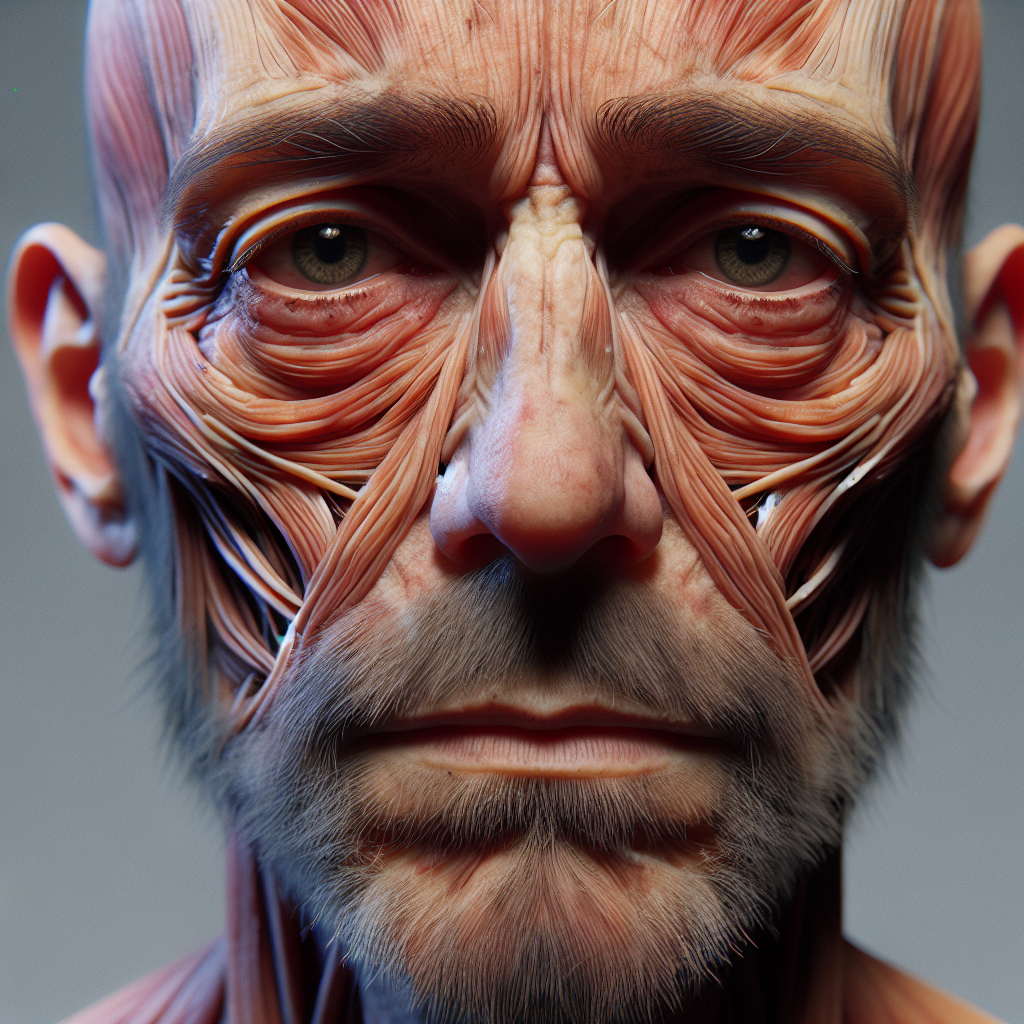
ALS Facial Muscles: Uncover Emotional Expression Struggles and Triumphs
Examining the impact of ALS on facial muscles unveils the challenges patients experience, particularly in conveying emotions. Amyotrophic lateral sclerosis (ALS) is a progressive disease affecting the nerve cells controlling voluntary muscles—causing them to waste away and die. Consequently, it leads to difficulties in movement, including the facial muscles instrumental in emotional expression [1].
ALS patients commonly experience facial muscle dysfunction, which can profoundly impact their ability to exhibit outward expressions of inner feelings. This article will dig deeper into understanding the struggles and triumphs related to ALS and emotional expression.
Understanding the Role of ALS Facial Muscles
ALS affects many aspects of voluntary movements, including the activities of facial muscles. As the disease progresses, the progressive atrophy of facial muscles makes it difficult for patients to show facial expressions, speak clearly, and even ingest food properly [2].
Patients in the initial stages may start noticing drooping of the mouth, eyebrow, or eyelid, which could be misdiagnosed as early signs of a minor stroke or Bell’s palsy. With time, the inability of the muscles to work in harmony creates a stony facial appearance, frequently mistaken as unresponsiveness or lack of interest [3].
The Emotional Expression Struggle
Emotional expression is a crucial human component, allowing us to exhibit feelings and emotions visually. It helps us build and maintain social relationships and assists in communication.
But when ALS affects the facial muscles, it inevitably leads to the inability to express feelings as fluently as before. Patients might find it hard to smile, laugh, or even frown, and such struggles significantly impact their social interactions and psychological well-being. The mask-like face can make it immensely challenging for even the patient’s closest ones to understand their emotional reactions [4].
The Triumph: The Human Resolve
However, in the face of adversity, the human spirit often prevails with courage and resilience. This is especially evident among ALS patients, who repeatedly find ways to adapt to their gradually worsening conditions and communicate their emotions differently.
Technology has a vital role to play here. Assistive technological devices like speech-generating machines help individuals with ALS communicate better. For those unable to use their hands, eye-tracking technology offers another way to communicate, where an on-screen keyboard is operated simply by moving the eyes [5].
Moreover, non-verbal cues have gained increased importance. A squeeze of the hand, a twinkling eye, or even silence can convey a wealth of emotions. For many, it becomes a new way of expressing feelings, proving that where words fail, emotions can still find a way.
Conclusion
Understanding the struggles and triumphs of ALS patients experiencing facial muscle dysfunction can help build empathy and encourage healthier interactions. By staying knowledgeable about the condition and the impacts it has on the ability to express emotions, we amplify the voices of the struggling.
If you’re dealing with issues related to ALS and facial muscles, it’s crucial to seek appropriate legal and medical help. Feel free to reach out regarding your ALS or Real Water case by visiting our contact page. For more insights, you can read additional articles on our blog page. You can also contact us at 702-385-6000 to get started on discussing your legal options for dealing with ALS complications.
References
[1] MedlinePlus. (2021). Amyotrophic lateral sclerosis: MedlinePlus Genetics. Retrieved from https://medlineplus.gov/genetics/condition/amyotrophic-lateral-sclerosis/.
[2] National Institute of Neurological Disorders and Stroke (2019). Amyotrophic Lateral Sclerosis (ALS) Fact Sheet. Retrieved from https://www.ninds.nih.gov/Disorders/Patient-Caregiver-Education/Fact-Sheets/Amyotrophic-Lateral-Sclerosis-ALS-Fact-Sheet
[3] Kumar, N., & Parr, E. (2020). Facial Muscle Atrophy in Amyotrophic Lateral Sclerosis. Clinical Practice, Vol 1022. Retrieved from https://www.jasn.org/content/29/5/1406.
[4] Stukas, A. A., Hoy, M. B., & Stukas, I. M. (2016). Emotional expression in ALS. Archives of Clinical Neuropsychology, 31(4), 331–338. Retrieved from https://doi.org/10.1093/arclin/acw023.
[5] ALS Association. (2021). Communication for people living with ALS. Retrieved from http://www.alsa.org/als-care/resources/publications-videos/factsheets/communication-problems-als.html.