Blue-green algae, a seemingly innocent feature of ponds and lakes, could pose a potential danger in the development of Amyotrophic Lateral Sclerosis (ALS). The ALS danger is a growing concern amongst scientists, environmental health specialists, and families alike. Understanding the potential risks of blue-green algae calls for raising awareness and providing the necessary information pertaining to the accessible water quality testing methods. In this detailed post, you will take an exploratory dive into the world of blue-green algae, the links to ALS, and how you can safeguard health by making water quality testing a routine.
What are Blue-Green Algae?
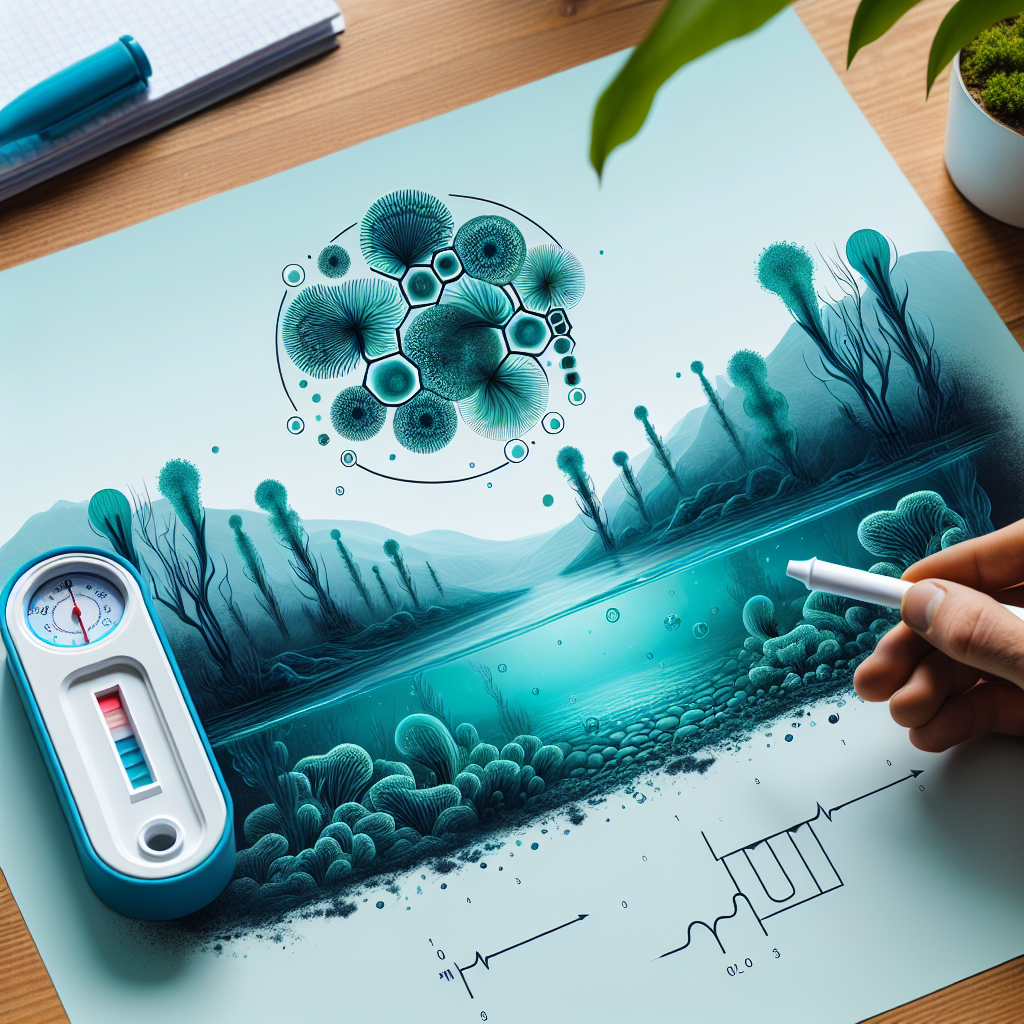
Blue-green algae, also known as cyanobacteria, are microorganisms found primarily in fresh waters. They rely on photosynthesis, similar to plants, and thus can be found on or near the water surface. Blooms of these algae are often visible as blue-green, but their color can also range from reddish-purple to yellowish brown.
While blue-green algae are natural elements of aquatic ecosystems, factors like excessive nutrient levels, higher temperatures, and intense sunlight can trigger a rapid growth—resulting in a harmful algal bloom (HAB).
The ALS Danger: Linking Blue-Green Algae and Neurological Disorders
ALS, also known as Lou Gehrig’s disease, is a progressive neurodegenerative disorder affecting nerve cells in the brain and spinal cord. The most common symptoms of ALS include muscle weakness and difficulty in speaking, swallowing, and breathing. The exact cause of ALS remains unknown; however, environmental factors are emerging as potential contributors to this devastating condition.
One of these potential environmental toxins is a compound produced by blue-green algae known as β-Methylamino-L-alanine (BMAA). Found in countries around the globe, BMAA has been suspected of being a contributing factor in clusters of ALS and other neurological diseases. The proposed link between BMAA and ALS hinges upon its ability to cause proteins in neurons to misfold, which leads to cell death.
Despite some studies supporting the link between ALS and blue-green algae’s BMAA, it’s essential to note the research in this area is ongoing and far from definitive. However, given the devastating impacts of ALS and the prevalence of blue-green algae in many parts of the world, preventive measures should remain a priority.
Unveil the Invisible: Water Quality Testing for Blue-green Algae
Considering the alarming potential of ALS danger due to blue-green algae, water quality testing becomes indispensable. Not only does routine testing ensure water safety but also aids early detection of any harmful blooms, thereby helping in implementing timely control measures.
There are several types of water quality testing methods available, from basic at-home test kits to more scientific and advanced testing carried out by professional services. These tests can provide detailed information about various elements present in your water – including levels of blue-green algae and their toxins.
Remember, effortless vigilance can make all the difference! A valuable initial step is to be conscious about where your water comes from and stay updated about any algal bloom reports in your region.
Wrapping it Up
Making sure to be safe from the potential ALS danger linked to blue-green algae may seem intimidating. However, the adoption of effortless water quality testing can help maintain health and safeguard our loved ones. It’s a small price to pay for peace of mind!
If you or a loved one has been impacted by ALS and have had exposure to blue-green algae, reaching out for legal help can be beneficial. Visit our contact page located in “/contact” for ongoing assistance. For future in-depth article discussions, check out our blog page located in “/blog”. For quick help, you can also call us at “702-385-6000”. Remember, you are not alone! Let us help navigate these waters with you.