Breathing first ALS, commonly referred to as respiratory-onset ALS, is a unique condition that remains underexplored in much of medical science. This grave illness debuts with respiratory symptoms as the initial manifestation, brought on by diaphragm paralysis. The condition poses a rare als presentation, and it’s widely considered one of the most fearsome variants of ALS, or amyotrophic lateral sclerosis, otherwise known as Lou Gehrig’s disease. However, a keen understanding of the condition’s nature and full implications, whilst raising awareness of this illness, can bring hope and guidance for people facing the challenge.
The Breathing First ALS: A Close Inspection
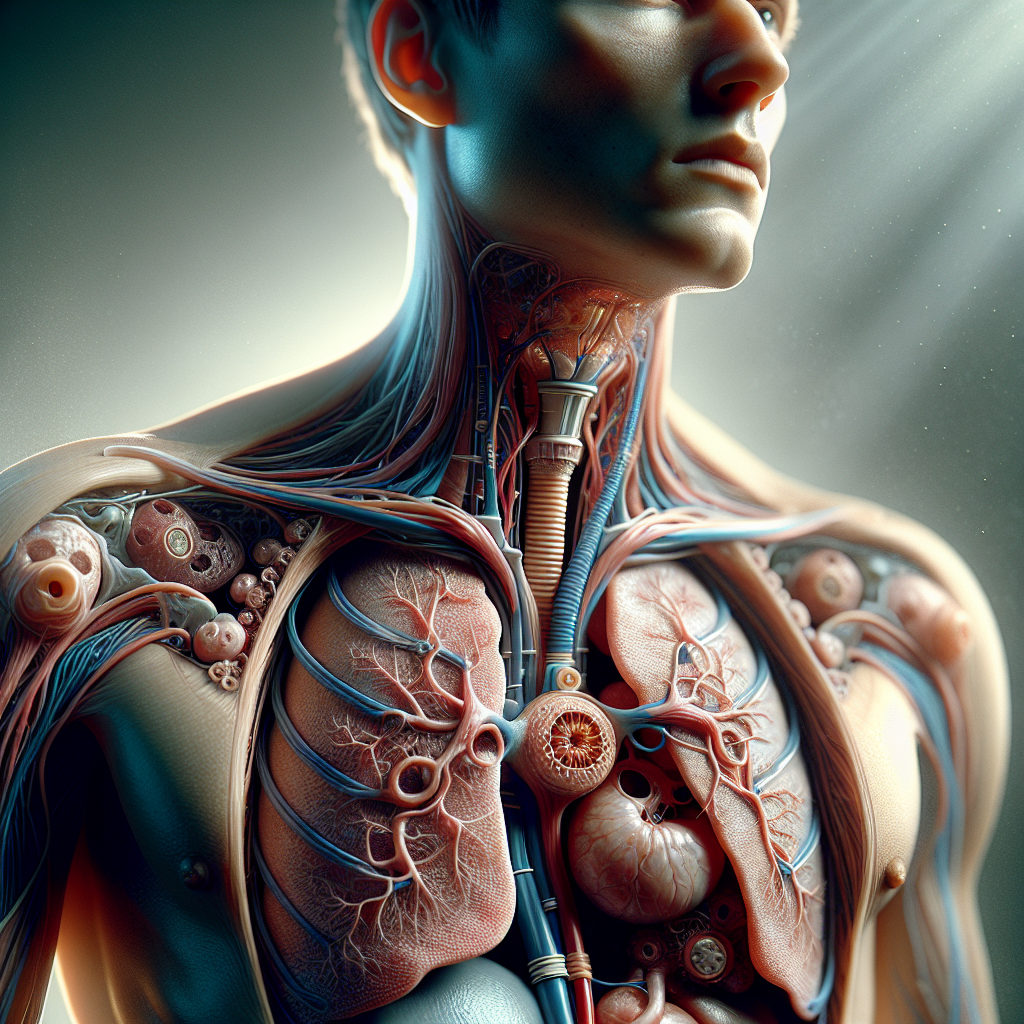
When ALS first exhibits itself through breathing problems, it may be difficult to detect. This is due to the rarity of the condition and the fact that respiratory-onset symptoms can mimic other less severe respiratory conditions. As such, a definitive diagnosis can often be delayed, allowing the condition to progress unnoticed. Early symptoms of breathing first ALS may include dyspnea, unexplained fatigue, and a decline in physical endurance.
The primary contributor to these respiratory symptoms is an uncommon complication: diaphragm paralysis. In people with breathing first ALS, the nerves controlling the diaphragm weaken first, before other muscle groups in the body. This paralysis of the diaphragm, a primary muscle used in respiration, reduces lung capacity and obstructs air passageways, creating severe respiratory difficulties.
Diaphragm Paralysis: The Core Contributor
Diaphragm paralysis in ALS is not common and carries significant implications. In most ALS cases, weakness starts in an arm or a leg, or with difficulties speaking or swallowing, progressing slowly to the other muscles. In contrast, diaphragm paralysis presents a different order; this rare ALS presentation begins with weakened breathing muscles and later affects the other muscle groups.1
When the diaphragm loses functionality, it significantly impairs the respiratory process. As paralysis sets in, the diaphragm is unable to contract fully, thus making it hard to inhale the necessary oxygen levels. Over time, the combination of inadequate lungs ventilation and chronic diaphragm paralysis can lead to respiratory failure.
Proper early diagnosis of diaphragm paralysis is critical. This aspect is crucial for the appropriate care and management of the condition. Breathing exercises, respiratory therapies, and sometimes mechanical ventilatory support can thereby be initiated early on, helping patients manage respiratory symptoms and improve quality of life.
The Importance of Research and Awareness
Given the rarity of breathing first ALS, there is a critical need for more extensive research on this condition. Raising awareness about this rare ALS presentation is equally essential. Understanding the symptoms, implications, and management options for ALS can potentially lead to earlier detection, improved patient care, and better quality of life.
Journals like ‘The Neurologist’2, provide insightful studies on specific ALS types including the breathing first variant. Such resources significantly contribute to shedding light on this underexplored disease and therefore carry much importance in unraveling this complex condition.
Similar knowledge sharing platforms, patient support groups, healthcare provider education seminars, and awareness campaigns can enhance understanding and enable the development of timely and effective treatment strategies.
Get ALS Help Today
In conclusion, breathing first ALS is a rare and daunting condition characterized by diaphragm paralysis. The frightening journey that patients experience with this illness warrants extensive research and increased awareness.
If you or your loved ones are facing the challenge of ALS, then you’re not alone. You can Reach out about your ALS case through the lasvegasalsrealwater.com website’s contact page. You’re also more than welcome to Explore more related content on the lasvegasalsrealwater.com website’s blog page. And should you need immediate assistance, please do not hesitate to Call 702-385-6000. Our team is always ready to provide support and guidance, helping you navigate this complex condition.
References
When Respiratory Muscles Weaken
Bulbar and Respiratory Onset ALS: A Belated Phenotype.