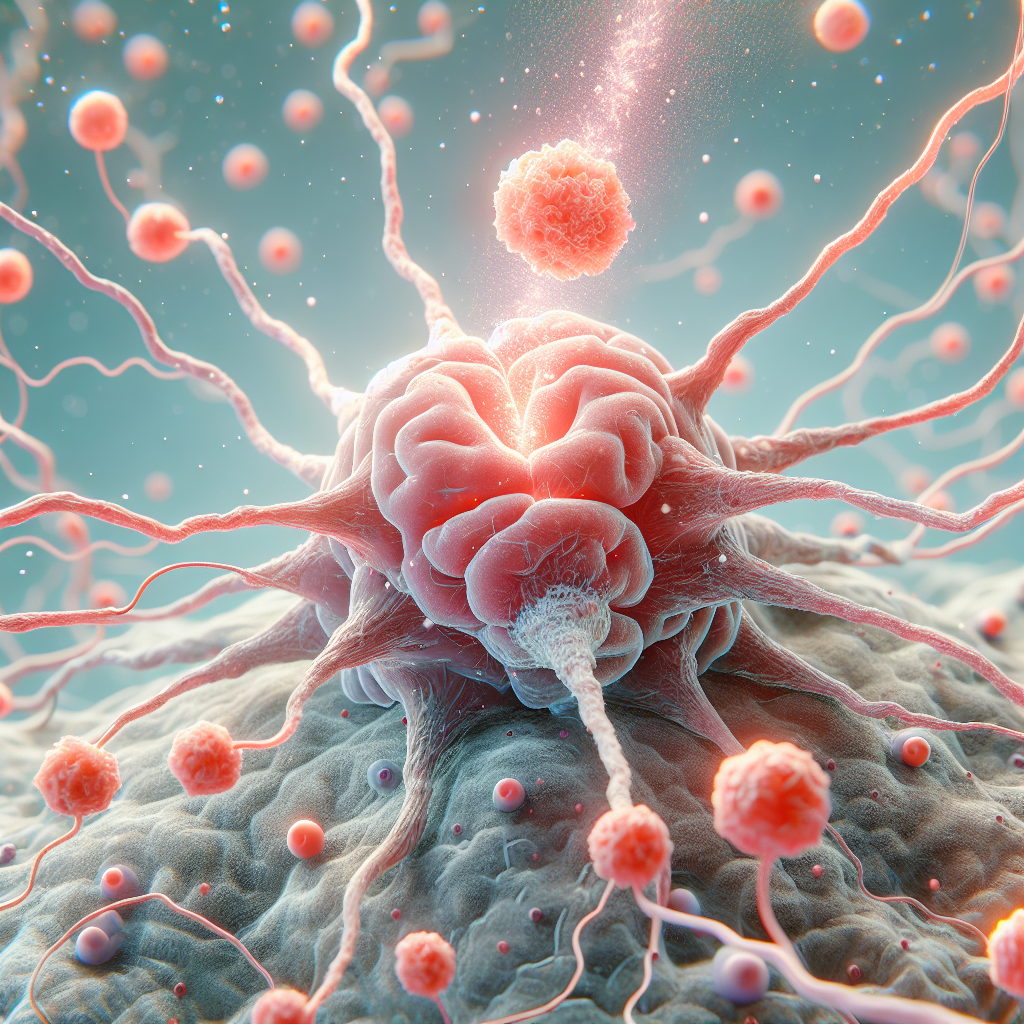
Immune activation brain exploration is rapidly advancing our understanding of neuroinflammation, primarily due to the emergence of key players like the triggering receptor expressed on myeloid cells 2 (TREM2). It is pivotal in dictating the course of several neurodegenerative disorders. One condition where it holds profound significance is Amyotrophic Lateral Sclerosis (ALS), also known as Lou Gehrig’s disease, where targeted therapeutic strategies could interrupt the disease’s core pathogenesis.
The Association Between TREM2 and ALS
TREM2 is a critical protein found on microglial cells in the brain and plays a crucial role in the immune activation brain. It is primarily responsible for detecting toxic substances such as amyloid plaques, educating the immune cells about them and consequently instigating their clearance. However, when the TREM2 pathway is compromised, toxins can accumulate, leading to neuronal cell damage and subsequent neurodegeneration seen in diseases such as ALS.
Expansive research has identified mutated TREM2 forms in ALS patients, leading to the theory that ineffective TREM2 action might exacerbate the disease and accelerate its progression. Interestingly, a groundbreaking study published in Acta Neuropathologica (2017) showed a significantly increased presence of TREM2 alongside ALS-associated proteins within the spinal cord of an ALS patient, further establishing a link between the immune activation brain and ALS.
The Key Role of Microglial Cells: The Effect on Neuroinflammation
Microglial cells, often compared to the brain’s janitorial staff, are primary responders to brain injury. Their normal functioning includes protecting neurons and maintaining brain homeostasis. However, in the presence of persistent neuronal injury or damage, such as in ALS, these cells undergo immune activation.
Following immune activation, microglial cells can adopt different reactive states, which contrary to popular belief are not binary, but exist on a spectrum. On one side, they can promote neuroprotection, while on the other, they can propagate neuroinflammation, contributing to ongoing neural damage.
Multiple studies have reported that in an ALS patient’s spinal cord and motor cortex, the microglial cells predominantly exhibit a pro-inflammatory state. They often present with an increased expression of the damaging pro-inflammatory cytokines, whereas the protective anti-inflammatory gene expression diminishes. This imbalance can amplify neuroinflammation, pushing ALS progression.
Targeting TREM2: A Potential Therapy for ALS Neuroinflammation
TREM2, as a part of the immune activation brain, interplays significantly with microglial cells, particularly at the inflammatory state. Notably, TREM2 deficiency in microglial cells has shown to promote this pro-inflammatory state associated with ALS.
Thus, understanding and leveraging this intricate relation can pave the way for disease-altering therapeutic approaches. One such strategy could be to enhance the function of TREM2 within microglial cells, potentially redirecting them towards a neuroprotective state and curbing the spread of neuro-inflammation.
Conclusion: The Road Ahead
Hence, immune activation brain research, focusing on the pivotal role of TREM2 in ALS-associated neuroinflammation, is indeed a promising avenue. The knowledge garnered from this investigation could not only offer valuable insights into the pathogenesis of ALS but could also reveal targets for disease-modifying therapies.
Now, this is the time where you, as an informed reader, can act. Dive deeper into the connection between ALS and Real Water, learn more about immune activation brain, and explore further by engaging with us.
– If you or a loved one are impacted by ALS, reach out to us for a discussion about your case on our contact page.
– To explore more about ALS, Real Water, and its implications, visit our blog for engaging articles and updates.
– For immediate assistance or questions, please dial our dedicated helpline at 702-385-6000 and speak with a representative.
We are here to provide support and ensure that your voice is heard.
References:
Brettschneider et al. (2017) Acta Neuropathologica
Griciuc et al. (2019) Molecular Neurodegeneration
Martin et al. (2017) Acta Neuropathologica
Perry and Holmes. (2014) Frontiers in Aging Neuroscience