PEG Placement Timing is a critical aspect when considering the care and comfort of ALS patients. Understanding this practice, its benefits, and its impact on quality of life has a vital role in making knowledgeable decisions for the safe and effective application of a feeding tube. This article will focus on PEG placement timing and how it contributes to preventing aspiration, thus ensuring a better quality of life for those living with ALS.
Understanding PEG Placement in ALS Patients
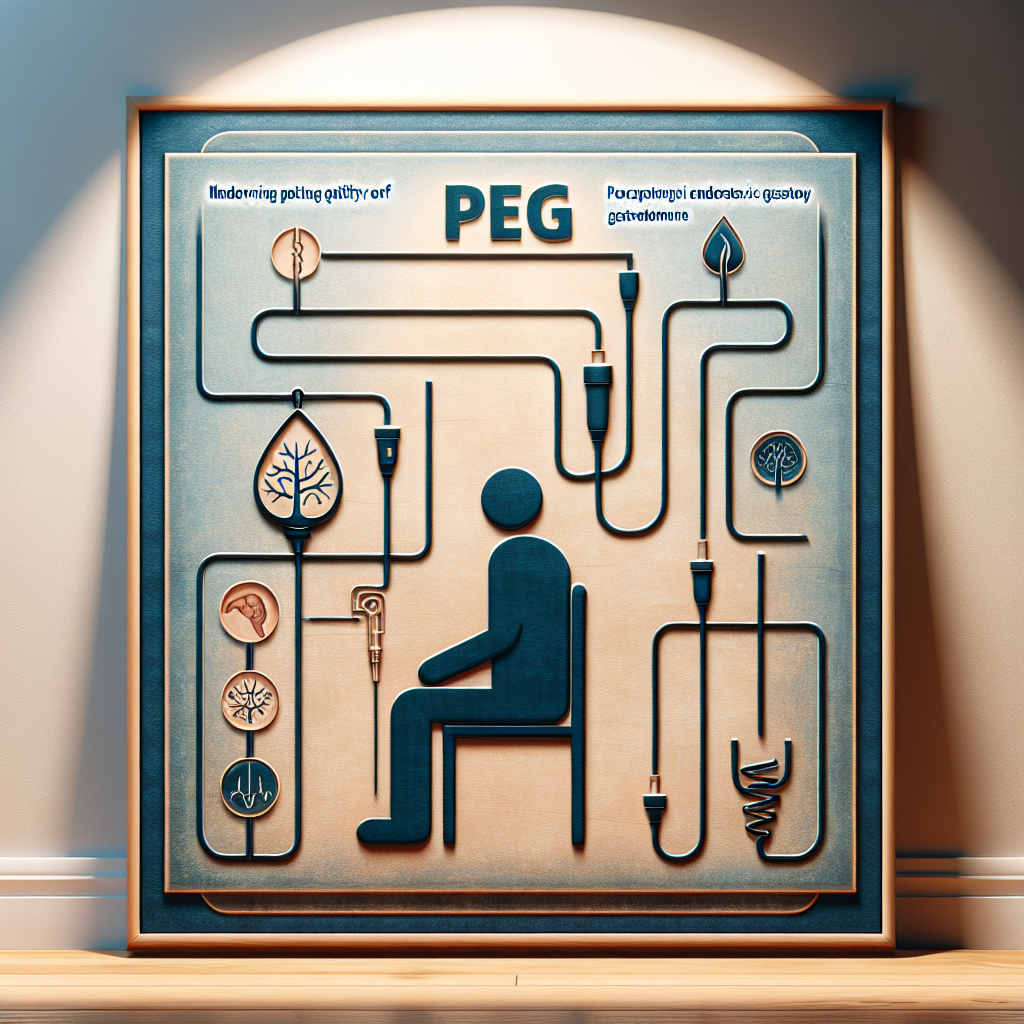
As the ALS disease progresses, it can lead to difficulties in swallowing, thereby posing a serious risk of aspiration. This is where PEG placement becomes a useful solution. PEG, which stands for Percutaneous Endoscopic Gastrostomy, involves placing a tube directly into the patient’s stomach, bypassing the mouth and throat. The tube enables the ALS patient to maintain proper nutrition and hydration, as well as to take necessary medications. Moreover, PEG placement has been shown to increase the lifespan and enhance the quality of life of ALS patients[^1^].
The Importance of Timing in PEG Placement
Undeniably, the timing of the PEG placement plays a crucial role in benefiting ALS patients. Adequate timing helps preserve patient health by ensuring they receive adequate nutrition despite the worsening of dysphagia and dysarthria symptoms. Optimal peg placement timing, however, should be centered on the needs of the individual patient. Factors to consider include the patient’s disease progression, overall health, and their personal decision[^2^].
How PEG Enhances Quality of Life
Quality of life feeding tube, such as PEG, has shown significant advantages in sustaining the quality of life in ALS patients:
1. Improved Nutrition and Hydration: As swallowing function deteriorates, patients may not be able to consume enough liquids or solid foods to meet their nutritional requirements. A feeding tube can provide a reliable way to ensure appropriate hydration and nutrition.
2. Risk Reduction of Aspiration: Difficulty swallowing can lead to aspiration, where food and liquids inadvertently enter the patient’s lungs, potentially leading to pneumonia. PEG placement can help prevent aspiration from occurring.
3. Reduced Psychological Stress: Struggles to swallow could create anxiety during meal times. This can be eliminated with the help of PEG.
The Role of Healthcare Professionals
While the final decision is primarily with the patient, healthcare professionals should provide all necessary information to make an informed decision. They can guide the person through understanding the benefits and potential complications associated with PEG placement[^3^].
In conclusion, PEG placement timing is paramount in managing ALS and its complications, particularly to ensure nutrition, prevent aspiration, and improve the quality of life. It is important to remember that each case is unique and timing should be tailored to individual needs.
If you or a loved one are facing decisions related to ALS and PEG placement, visit lasvegasalsrealwater.com/contact to reach out about the case. For more related content, explore the articles on lasvegasalsrealwater.com/blog. For immediate assistance, call at 702-385-6000.
References
– The role of PEG placement in ALS
– Optimal Timing of PEG Placement in ALS Patients
– Aid and Guidance of Healthcare Professionals
[^1^]: The role of PEG placement in ALS
[^2^]: Optimal Timing of PEG Placement in ALS Patients
[^3^]: Aid and Guidance of Healthcare Professionals