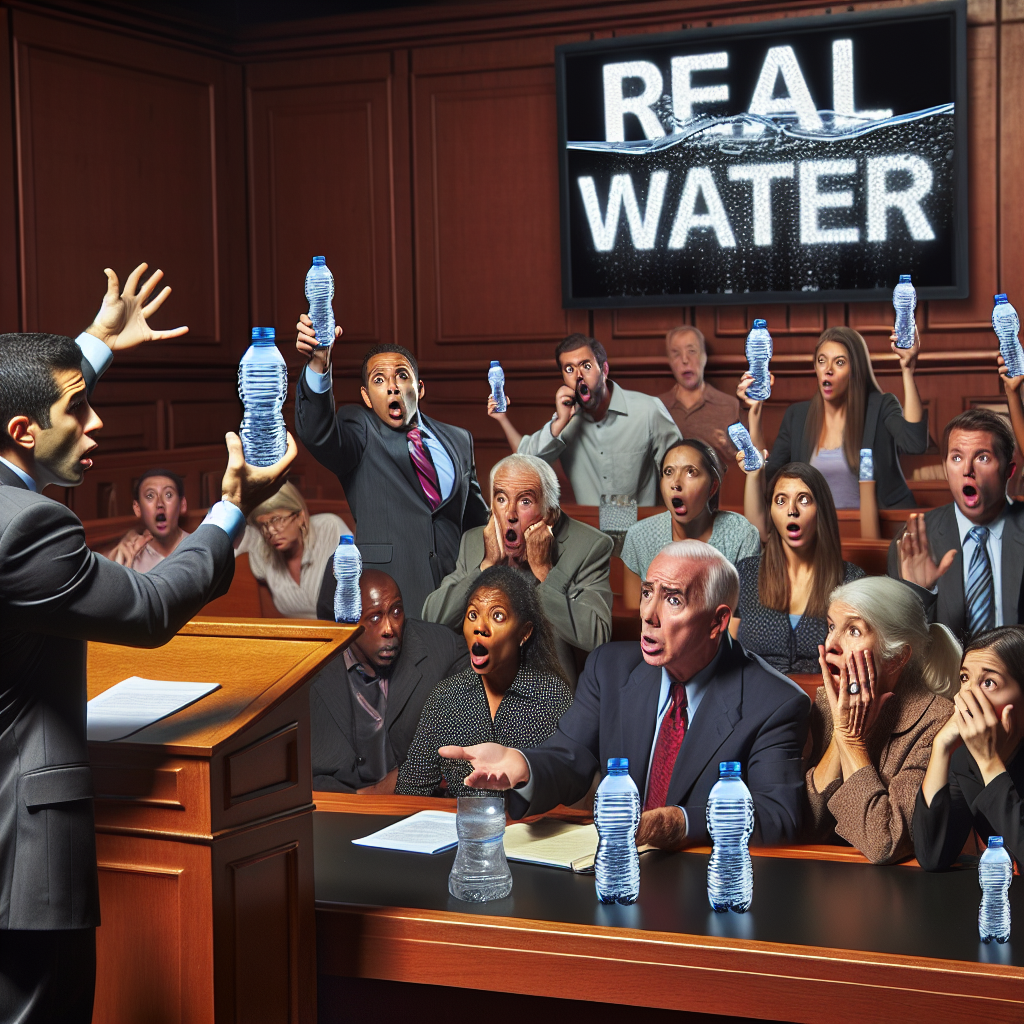
Real Water lawsuits updates are emerging as a matter of substantial concern for regulatory bodies, consumers, and legal teams. An area that has often been neglected or simply taken for granted by most is becoming the center of attention after recent lawsuits linked with Real Water – a popular brand of bottled water in the US. This article will probe deeper into these updates, offering a broader perspective on bottled water regulations.
##The Underpinnings of Real Water Lawsuits Updates
Before diving into details, it’s crucial to understand what led to the flurry of Real Water lawsuits. This bottled water brand, linked to several cases of liver illness across the United States, has been faced with sizable backlash and legal action from consumers. The US Food and Drug Administration (FDA) has even cautioned people about consuming Real Water, citing potential risks to their health.
A multitude of lawsuits have been filed against Real Water, claiming that their alkaline water products are responsible for a series of health problems, ranging from nausea to acute liver failure. The FDA’s probe into these allegations has discovered “insanitary conditions” at Real Water’s facilities, further fanning the flames of the ongoing issue.
##Unpacking Bottled Water Regulations
Considering the Real Water lawsuits updates, it’s important to explore the regulatory framework governing the bottled water industry. First, it’s crucial to recognize that the FDA labels bottled water as “food,” thereby making it susceptible to the standards and laws dictated for foods under the Federal Food, Drug, and Cosmetic Act (FD&C Act).
In the context of safety, the FD&C Act requires, among other things, bottled water to be safe and produced under safe conditions. Manufacturers are under face stringent quality regulations, ensuring that their products are as safe for consumption as public water supplies.
However, the Real Water cases highlight gaps or potential areas of improvement within these regulations. Despite these rules, consumers were exposed to allegedly unsafe products, leading to health issues.
##Challenges in Regulatory Oversight
While regulatory bodies have attempted to create a robust framework for bottled water quality, ensuring compliance consistently has been a daunting challenge. With an extensive market comprising numerous players, maintaining regular checks and monitoring becomes overwhelming.
Moreover, the current system heavily depends on companies to conduct and report their own quality checks, creating room for discrepancies. In many cases, as seen from Real Water lawsuits updates, it’s only after consumers have been affected that regulatory violations come to light, emphasizing the reactive rather than proactive nature of the regulatory system.
##Looking Ahead: Improving Bottled Water Regulations
In the wake of the Real Water lawsuits, it’s evident that more thorough oversight and stricter implementations of regulations are needed. There is a dire need to foster a more proactive approach in regulating bottled water quality, which would necessitate regular and unannounced inspections of production sites, stricter penalties for violations, and transparent reporting of quality checks.
This episode serves as a stark reminder of the importance of consumer vigilance and the role we play in ensuring the products we consume, such as bottled water, are safe.
Thank you for reading our latest news on Real Water lawsuits updates. We encourage you to reach out to us if you have been affected by real water conditions or need further assistance on ALS.
Visit our ‘/contact’ page [link]; we’d be happy to hear your story and assist in any way possible. For additional content and articles, please visit our ‘/blog’ page [link]. For more immediate assistance, don’t hesitate to call us at 702-385-6000. Stay vigilant, stay safe.