Glial pathology signifies a grave anomaly within the nervous system. As the name indicates, it concerns disorders triggered by irregularities or supportive cells failure, mainly the glia, in our neural system. Research has evidenced that there’s a promising link between such failures and neurodegenerative disorders like the renowned Amyotrophic lateral sclerosis (ALS). This article is a deep-dive into the intricacies of this phenomenon — spotlighting the glial pathology in ALS and its connection to supportive cell failure.
The Essence of Glial Cells in the Nervous System
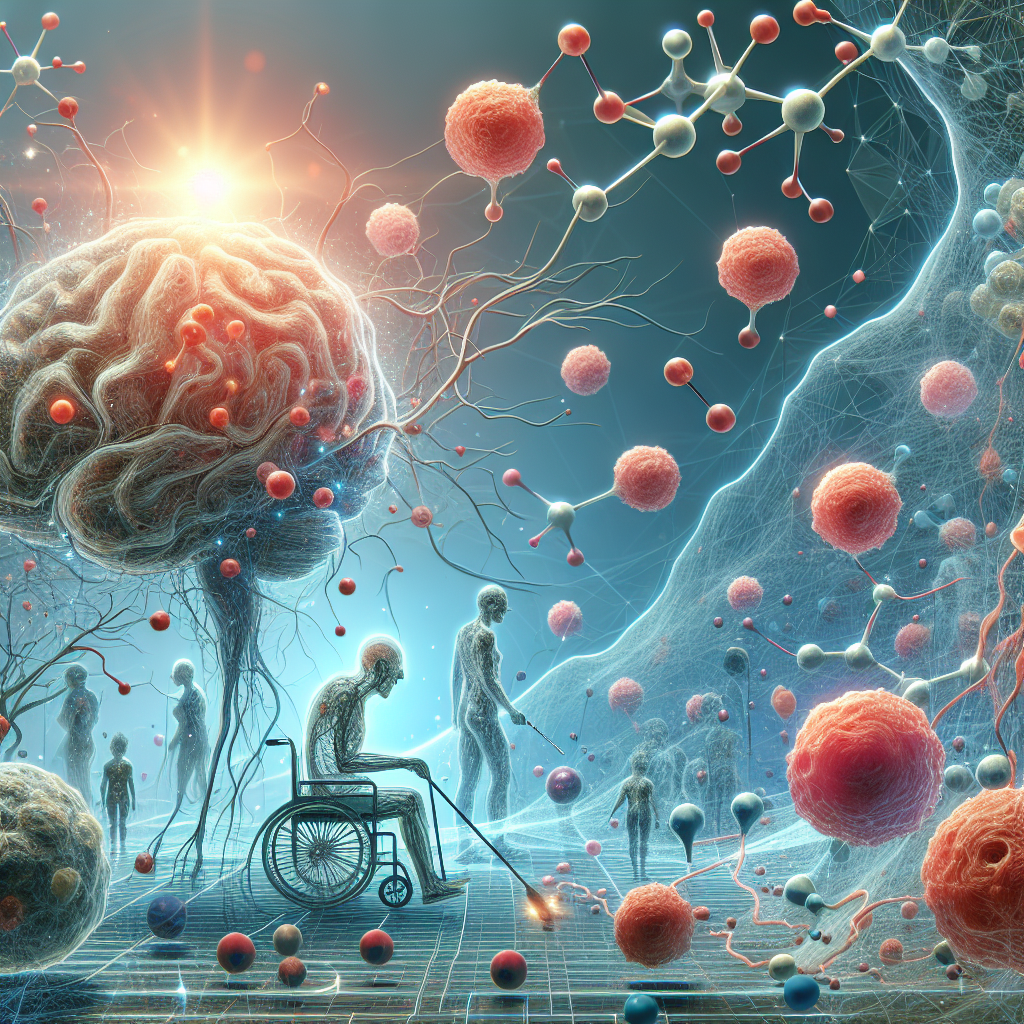
To understand glial pathology, first, we must explore the importance of glial cells. Glias essentially have three types: astrocytes, oligodendrocytes, and microglia. These cells play an incredibly crucial role in maintaining the regular functioning of neurons^[1^]. While they do not transmit information via electrochemical signals as neurons do, they lend indispensable support — nutrition, oxygenation, waste disposal, electrical insulation, and immune defense — to neurons^[2^]. Hence, when the system experiences supportive cells failure, especially among glias, it can lead to serious health conditions, chief among them being ALS.
Glial Pathology: Its Relationship with ALS
While it has long been known that ALS affects motor neurons, recent research suggests that glial pathology, or dysfunctions in glial cells, is directly linked to ALS progression. Scientists have discovered that in ALS cases, oligodendrocytes appear to degenerate prematurely, leading to motor neuron damage and death^[1^]. Oligodendrocytes are responsible for forming the protective myelin sheath around neuron axons, and without this protection, neurons can become damaged and die — resulting in complications seen in ALS.
Similarly, studies also show that astrocytes in ALS patients undergo deleterious changes thereby negatively affecting neurons. These astrocytes produce toxic factors leading to neuronal death and display decreased functional properties^[3^].
Lastly, microglia, the primary immune cells within the central nervous system, display abnormal functions in patients with ALS. These cells become overly activated and start destroying neurons rather than protecting them^[4^].
Unveiling the Unknowns through Research
Despite these discoveries, there’s still a lot that remains unknown about glial pathology’s role in ALS. Given the complexity of the condition, rigorous research is warranted worldwide, marked by cross-collaborative efforts among neurologists, geneticists, pathologists, and researchers. Going forward, advancements in this research could illuminate the complexities behind supportive cells failure, thus developing comprehensive therapies for ALS.
Current ALS Therapy and Ongoing Developments
Currently, the medication riluzole is the most commonly prescribed drug for ALS, extending survival by several months. Furthermore, physical and nutritional support also contributes to enhanced quality of life for patients. However, a cure for ALS remains an uphill task.
Research related to glial cells could provide a promising avenue towards the development of a more effective ALS treatment. By advancing our understanding of supportive cells failure and its role in the progression of ALS, we can potentially unlock new cures and preventive measures.
Conclusion
To surmise, although glial pathology in ALS is somewhat of an enigma currently, there’s optimism that comprehensive scientific research in the future will reveal more about this link. A nuanced understanding of supportive cells failure and glial pathology would contribute substantially towards treatments, prevention, or delay the progression of ALS substantially.
As the field progresses, it’s only a matter of time that we see remarkable advancements in treatment strategies for neurodegenerative disorders. Until then, the global community is hard at work, steadily chipping away at the mystery engulfing ALS and glial pathology.
Shedding light on the crucial issue of glial pathology and ALS is important, and we are here to help. For those struggling with ALS and seeking justice, your voice matters. If you or someone you know may have been affected by the Real Water case and have developed ALS, take action without delay.
Explore more related informative and engaging content at the /blog page of our website. Contact us today through our website’s /contact page or call us at 702-385-6000 for immediate assistance.
References
^[1^] The Role of Oligodendrocytes in ALS
^[2^] Understanding Glial Cells
^[3^] Astrocytes in ALS: Pathogenicity and Therapeutics
^[4^] Microglia in ALS: The Good, The Bad, and The Resting